ASAR
ASAR
Automated Service and Retrieval
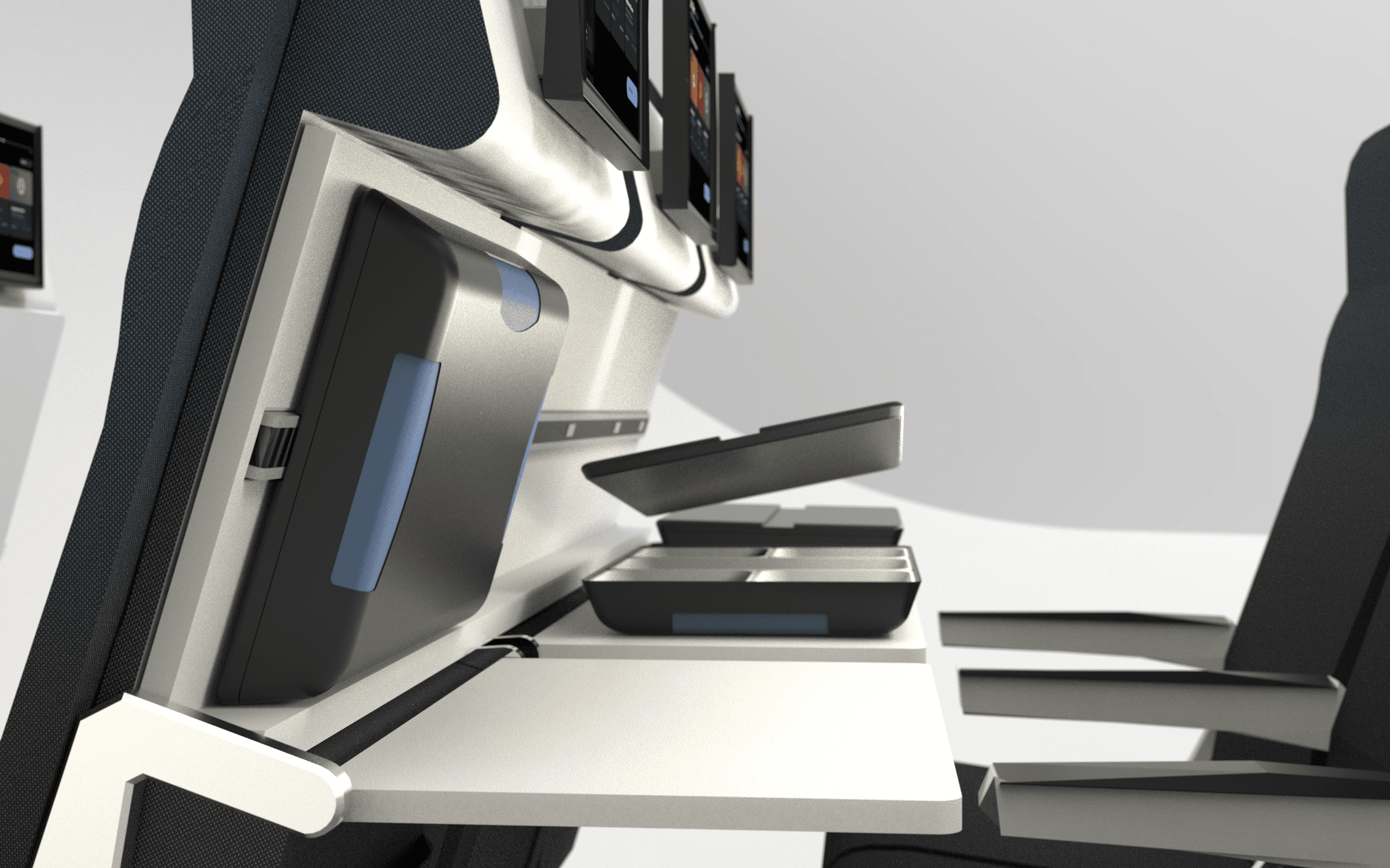
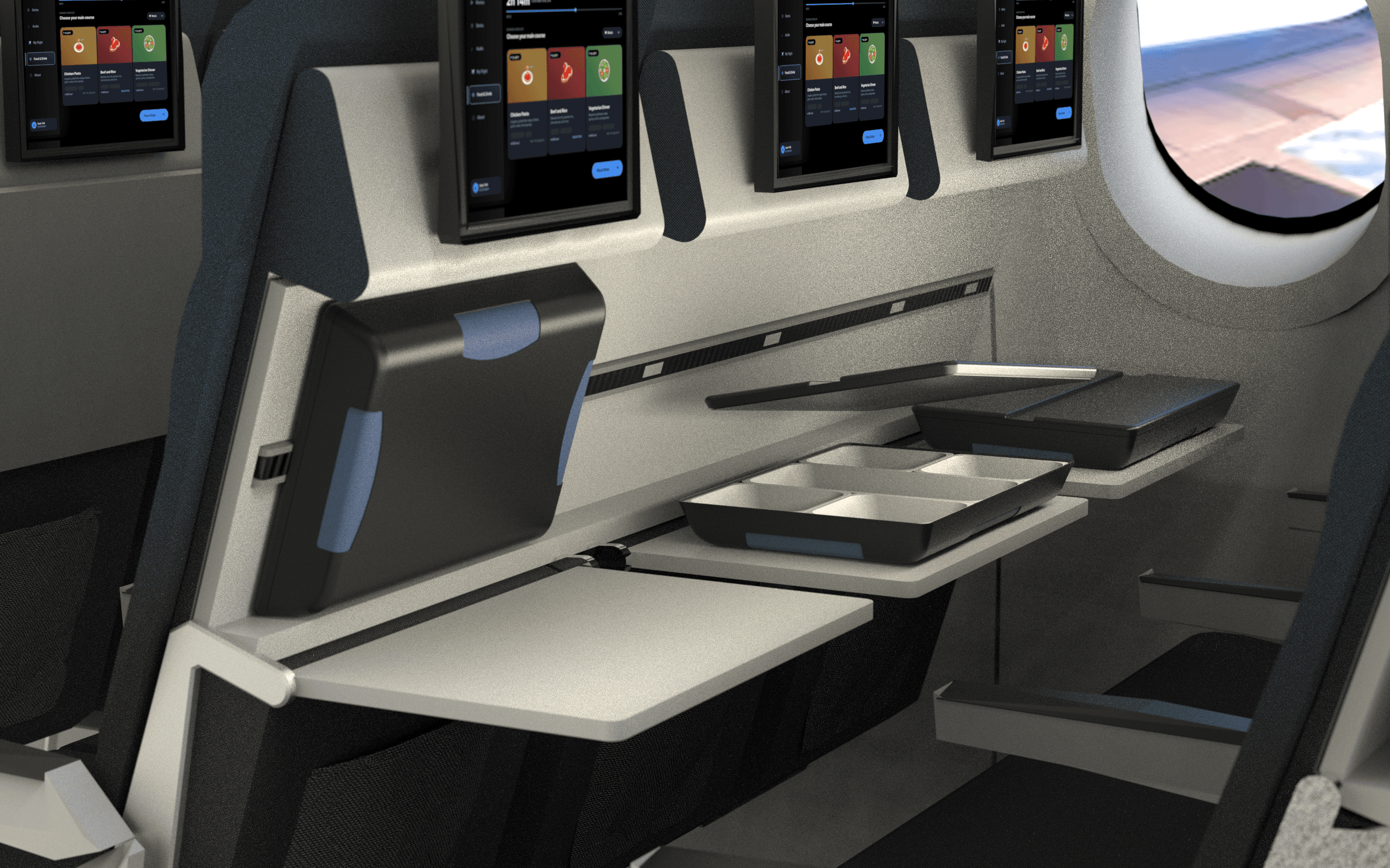
An assistive automated row-based delivery system to enhance meal service efficiency and passenger autonomy on an airplane.
Collaborators
Aaron Jiang, Skylar Fountain, Ava Bauer
Tools Used
Figma, Fusion 360, KeyShot Studio, After Effects
Timeline
Feb - May 2026
Traveling is stressful, airplanes are cramped, and service is disruptive.
But what if meal service was great?
Project Outline
An exploratory team project focusing on the future of in-flight dining through an experience-driven approach.
Who we spoke with…
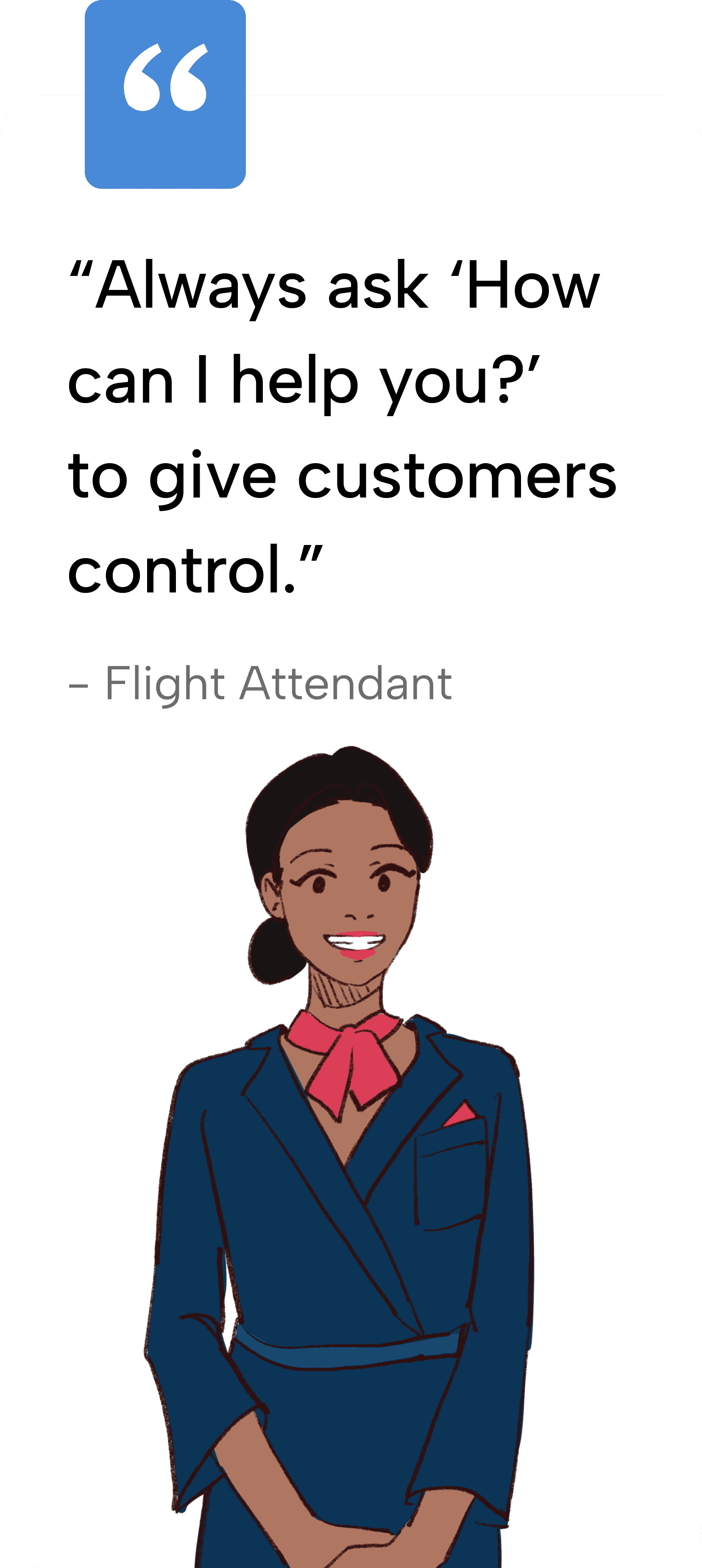
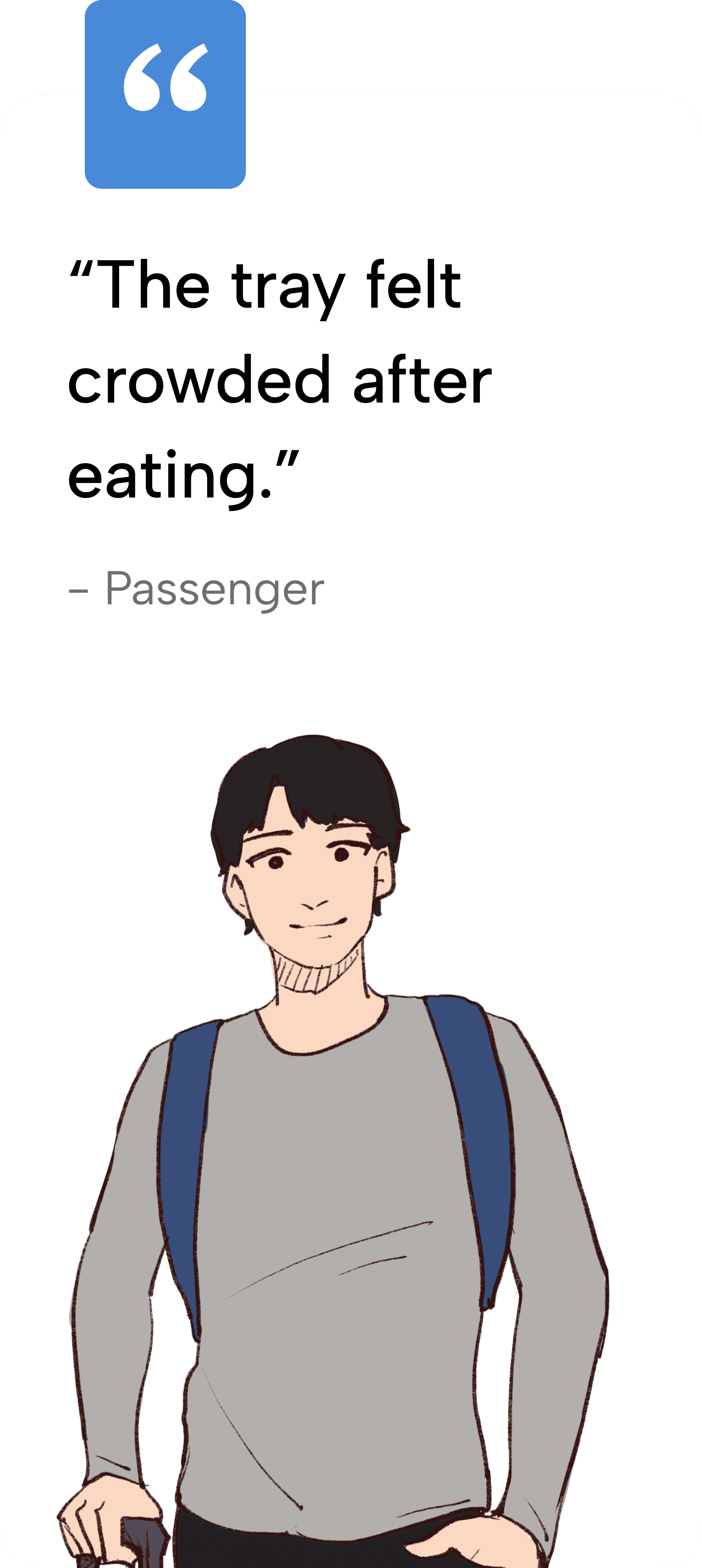
We interviewed various types of passengers, ranging those who have never flown internationally to those who fly frequently for business trips. We also spoke to a flight attendant and an airline's Director of Onboard Culinary Experience to build a comprehensive view of the in-flight dining experience.




Employee
& Customer Safety
Profitability
Brand
Consistency
Quality of Service
Passenger Safety
Service & Food Quality
Flight Efficiency
Comfort
Stakeholder Expectations
Each stakeholder emphasized certain expectations about in-flight dining.
Pain Points
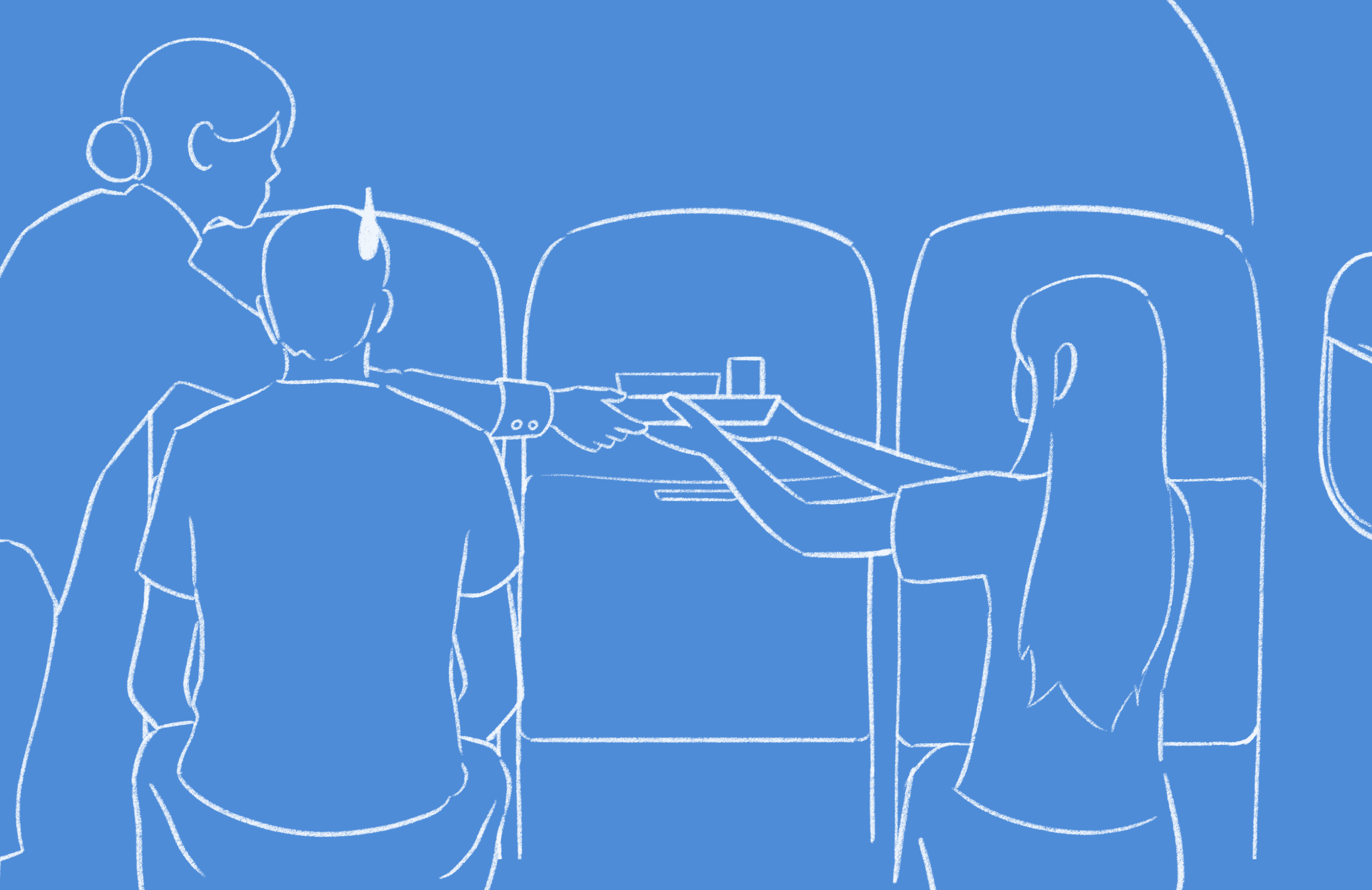
The Reaching Over Problem
Passengers in window or middle seats cannot directly access their food without invading another passenger’s space by reaching over. It’s a service model that relies on passengers as a part of the system.
Passenger Unawareness
Passengers have little to no visibility into the service timeline. They’re uninformed about when they’re getting their meal, how long they have to eat, and the waste collection window.
Managing Space
Meal service essentially traps passengers. It heavily restricts a passenger’s comfort and their ability to do anything else. The galley cart blocks the aisle, preventing movement about the cabin, and the servicing of meals invades personal space.
What is the issue being addressed?
What is the root cause of all the friction passengers feel in the cabin?
CONTROL
When a passenger is 30,000 feet in the air, they feel like they’ve lost control over their personal space, their access to service, and ultimately, their own choices.
Areas to Bring Control
We developed our three main design focuses into our flight plan to give passengers their control back.
Service Efficiency
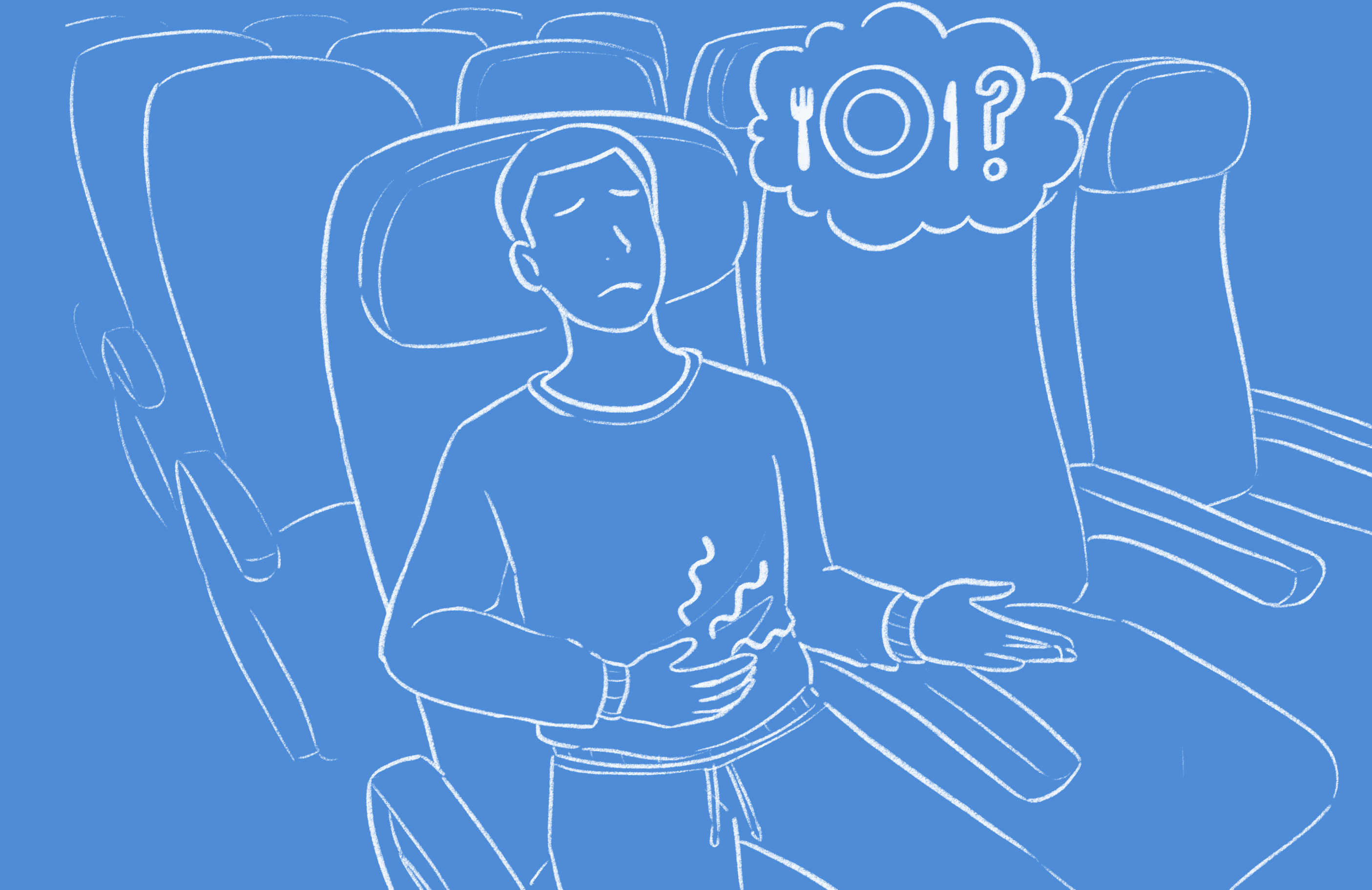
Self-Paced Meals
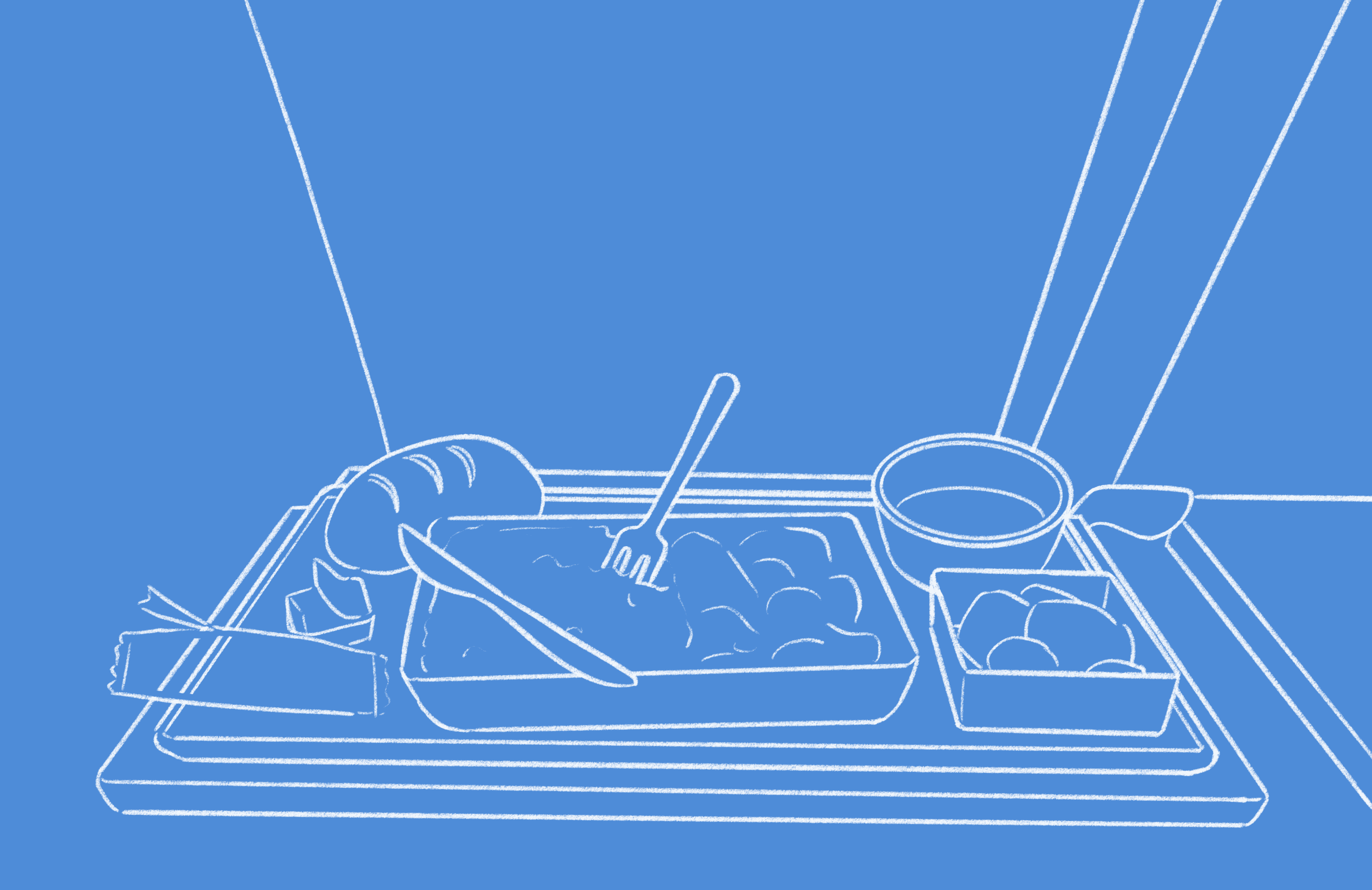
Space Autonomy
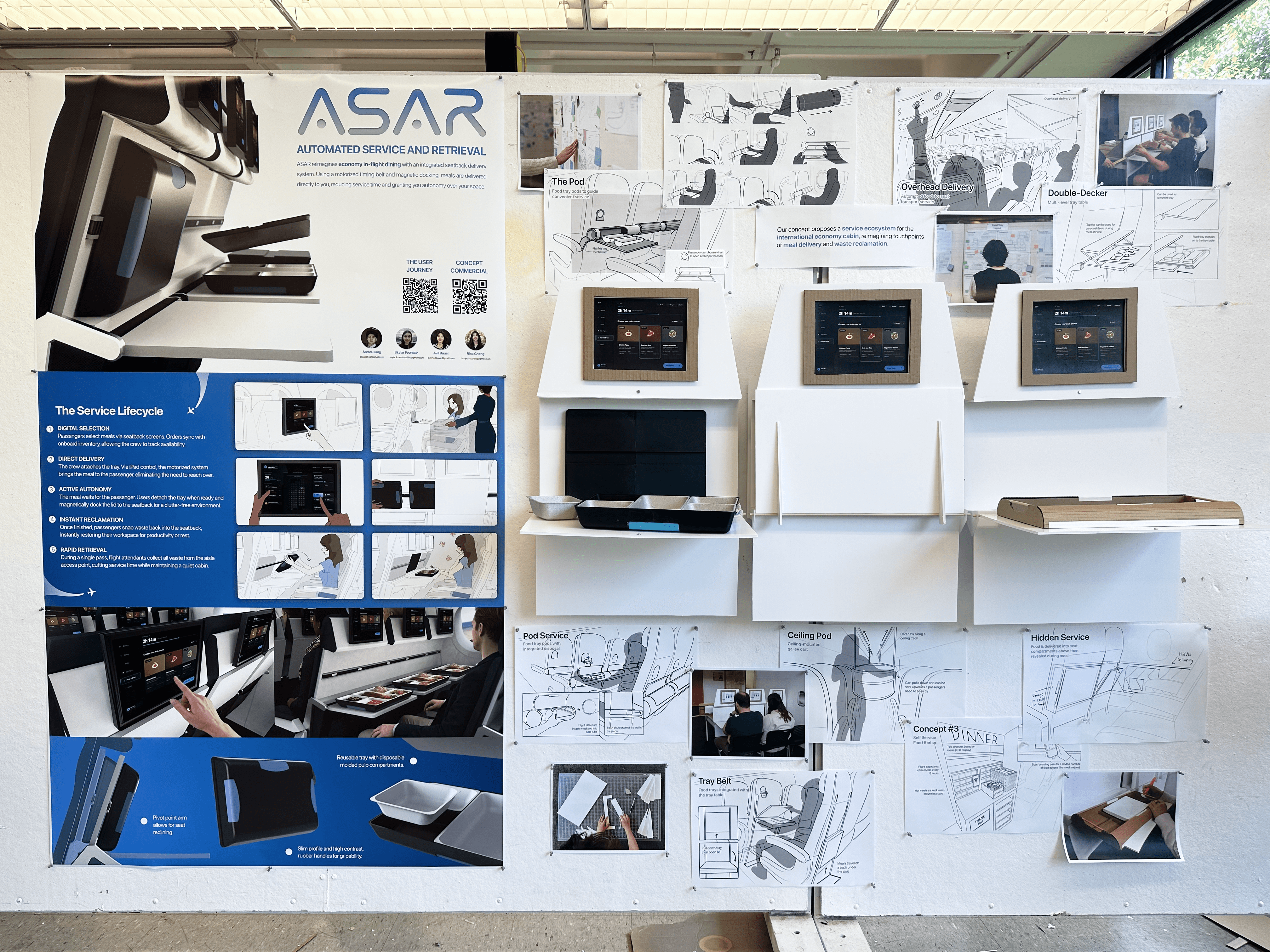
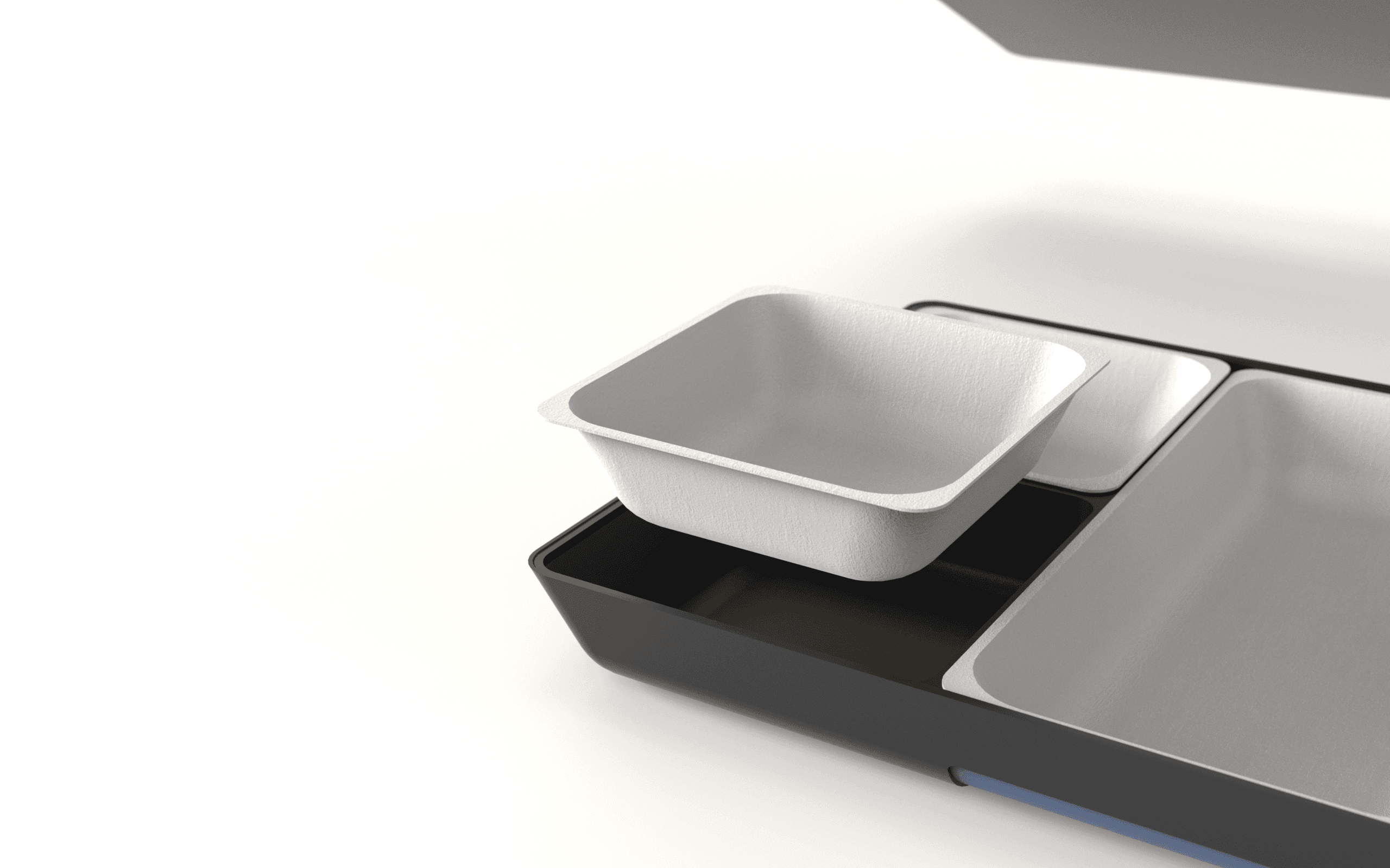
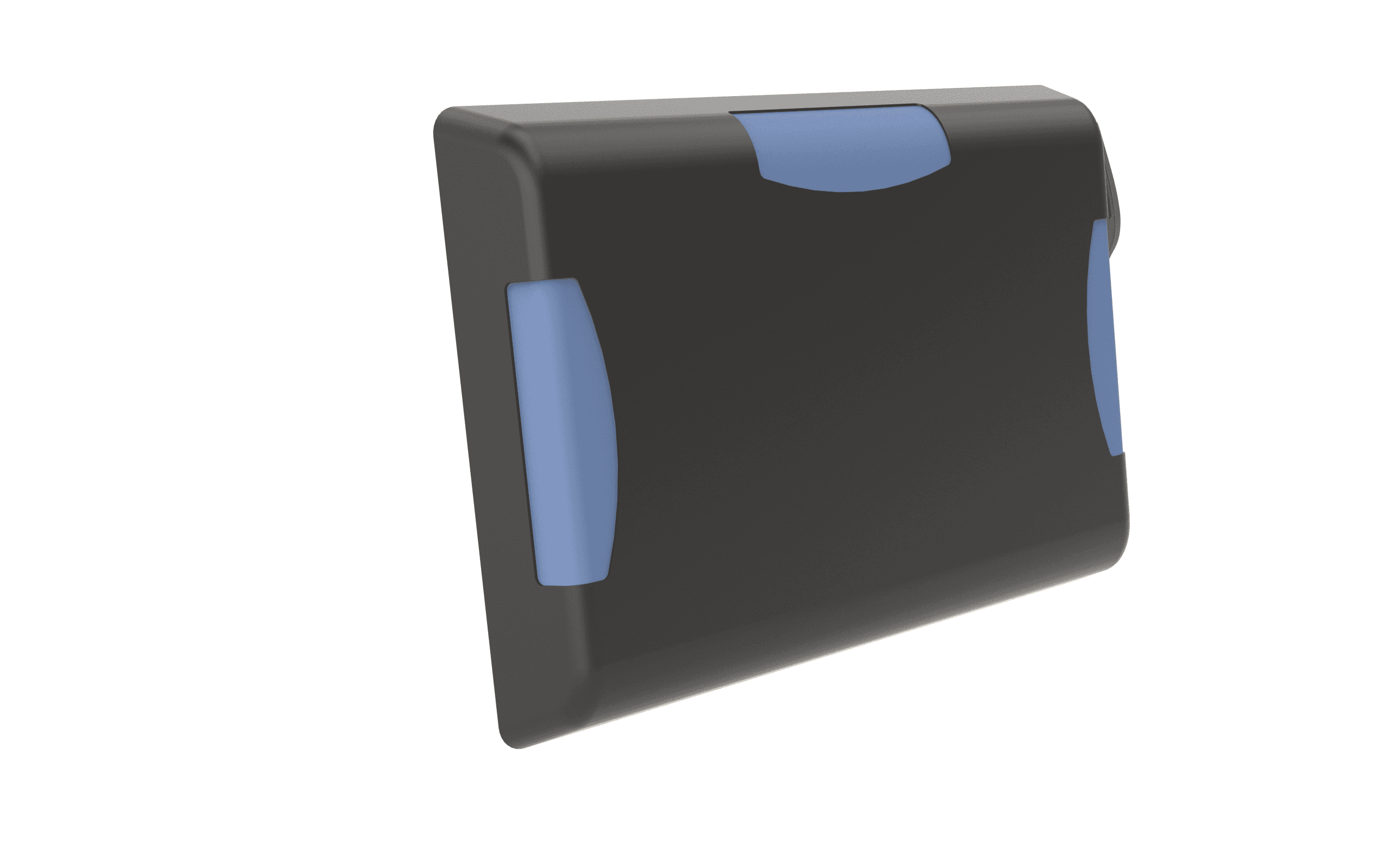
Our concept proposes a service ecosystem for the international economy cabin, reimagining touchpoints of meal delivery and waste reclamation.
Concepting: Round 1
In our first round of ideations. We explored a wide range of products and systems that could pilot a new sense of control for the passenger.
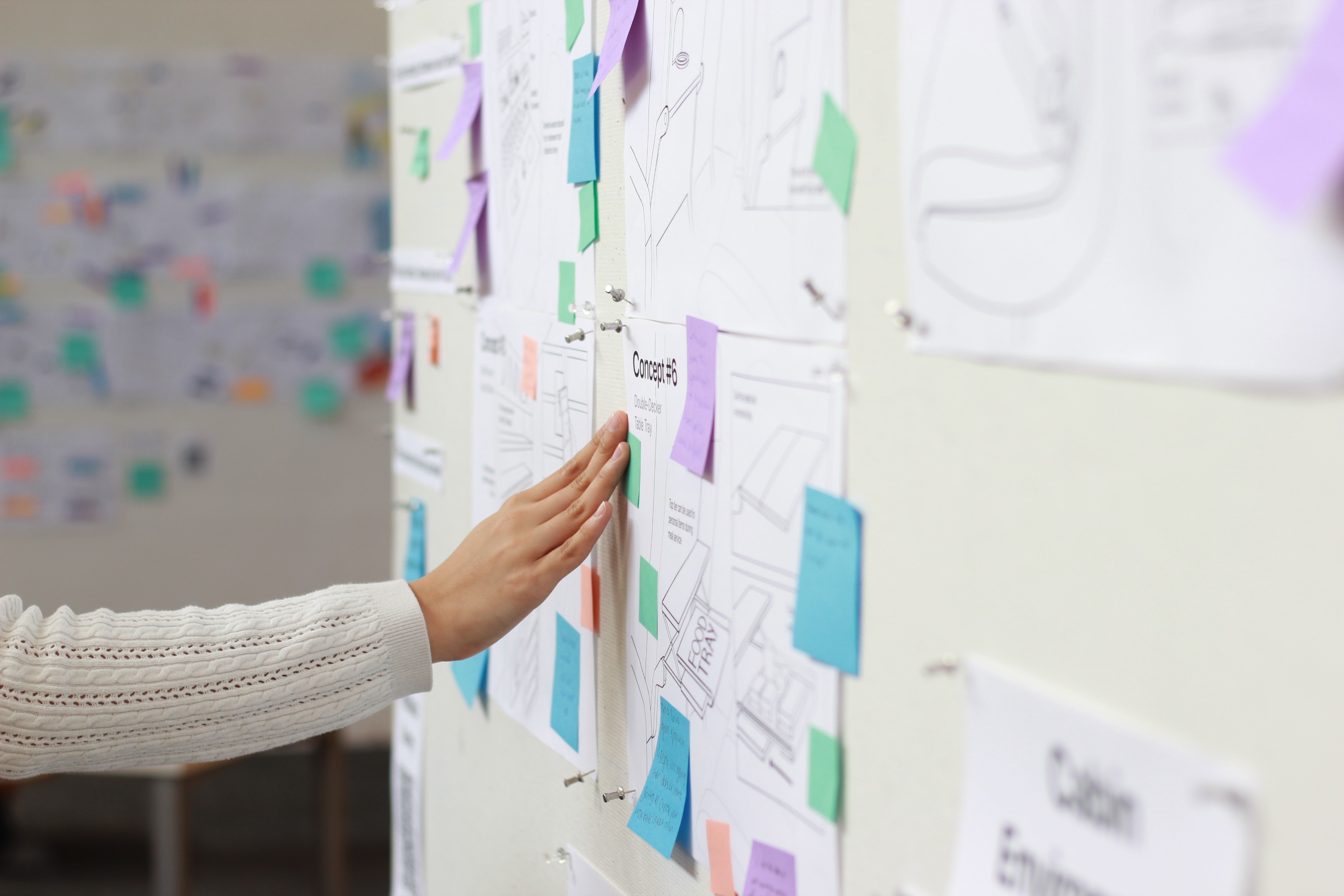
click me!
Concepting: Round 2
For the second round, we decided to expand our horizon to encompass the entire cabin. We shifted our focus toward a more idealized, automated system. Instead of just focusing on the tray, we wanted to redesign the delivery journey.
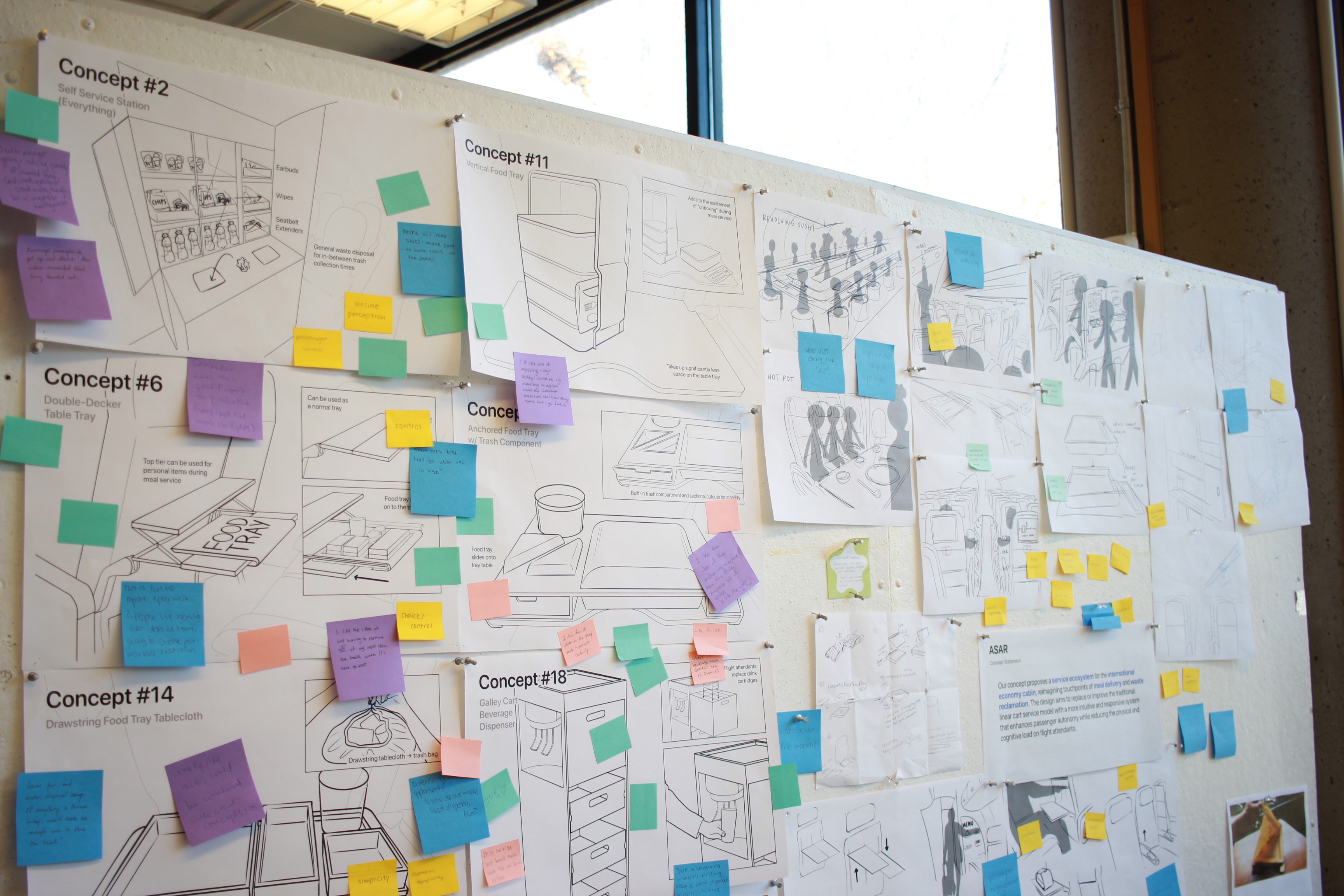
click me!
Concepting: Round 3
In our third round, we focused on designing the entire meal-delivery ecosystem to integrate automation without sacrificing the human element of service.
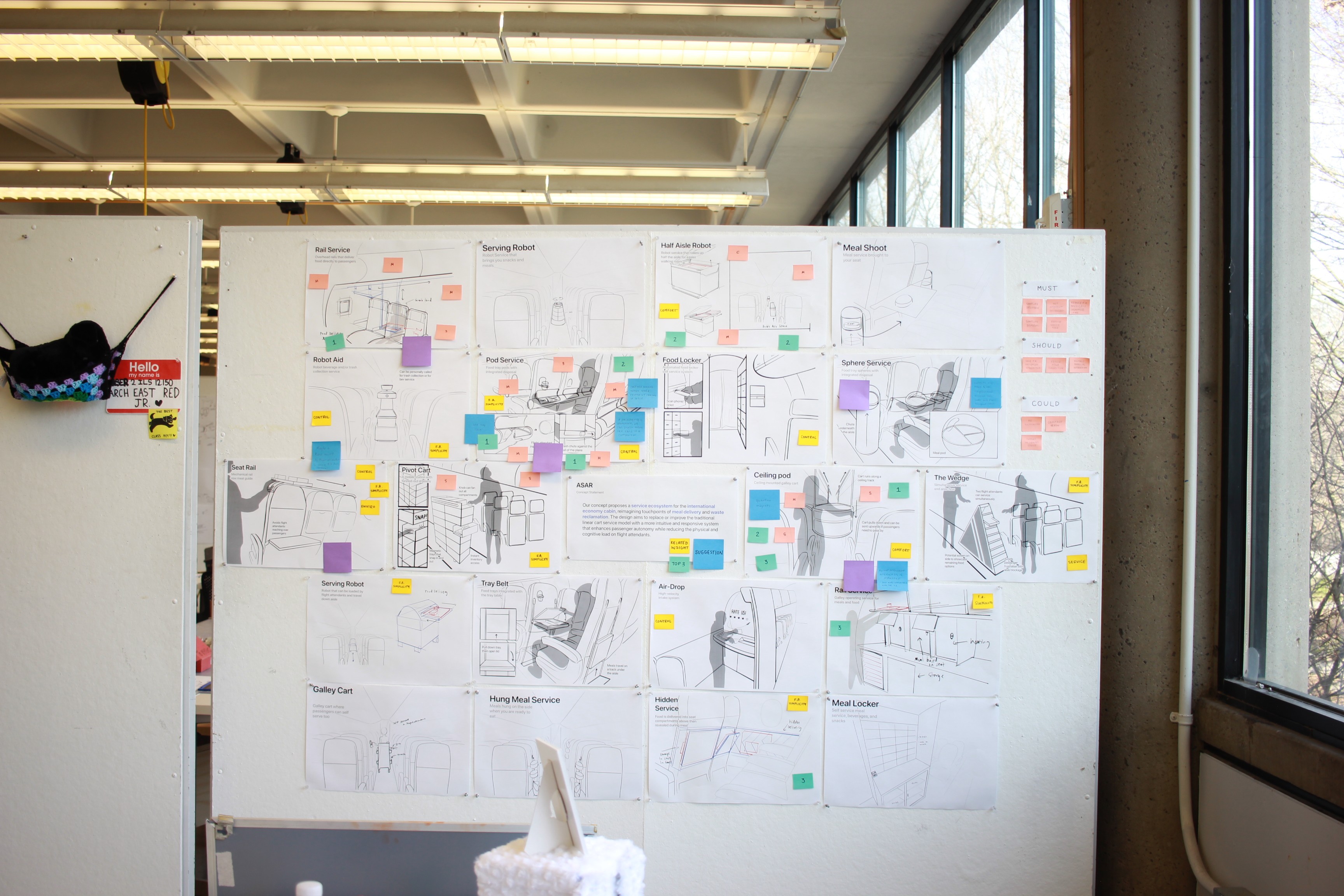
click me!
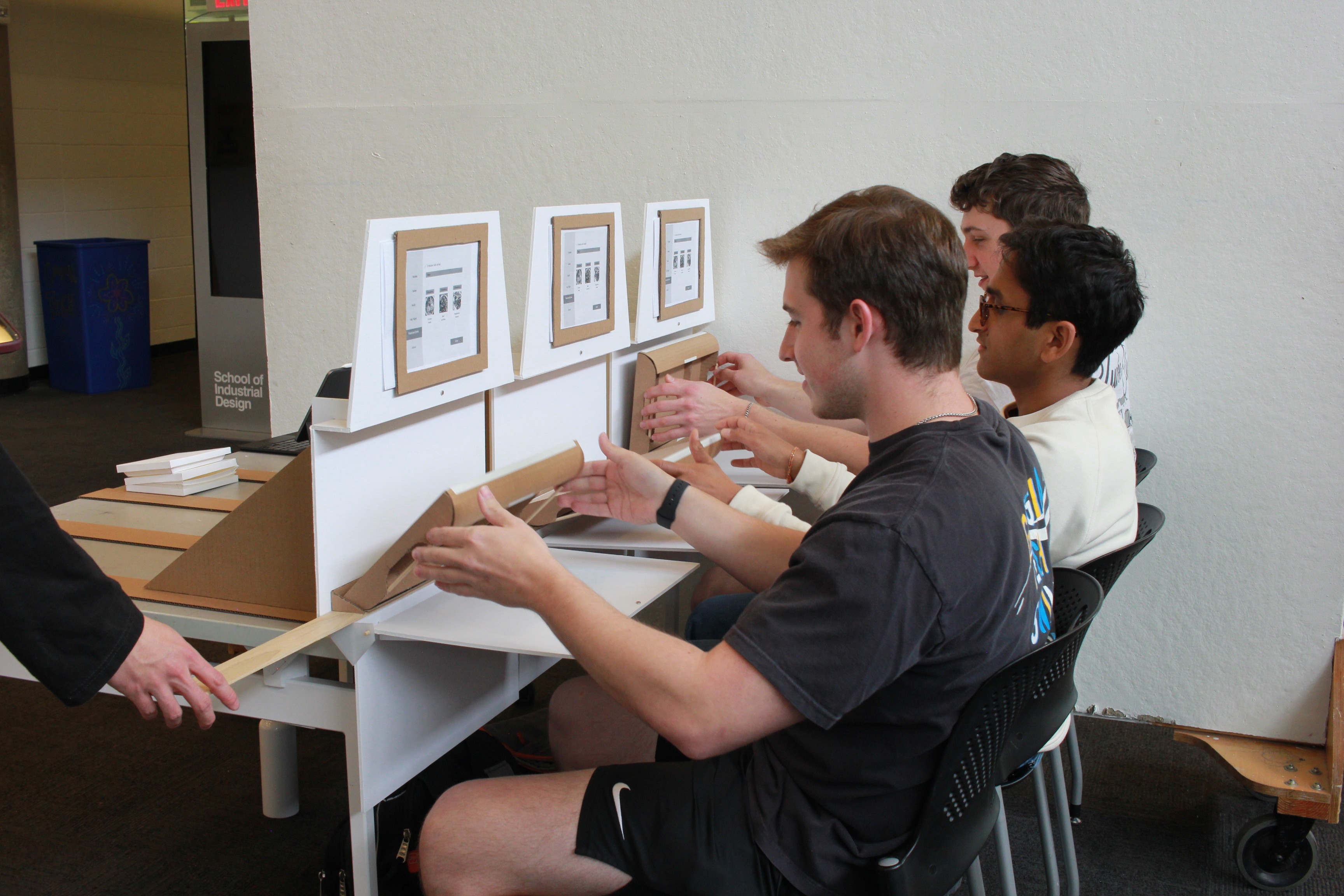
We conducted a series of usability tests with 19 participants divided across 10 tests.
User Testing
Final Design
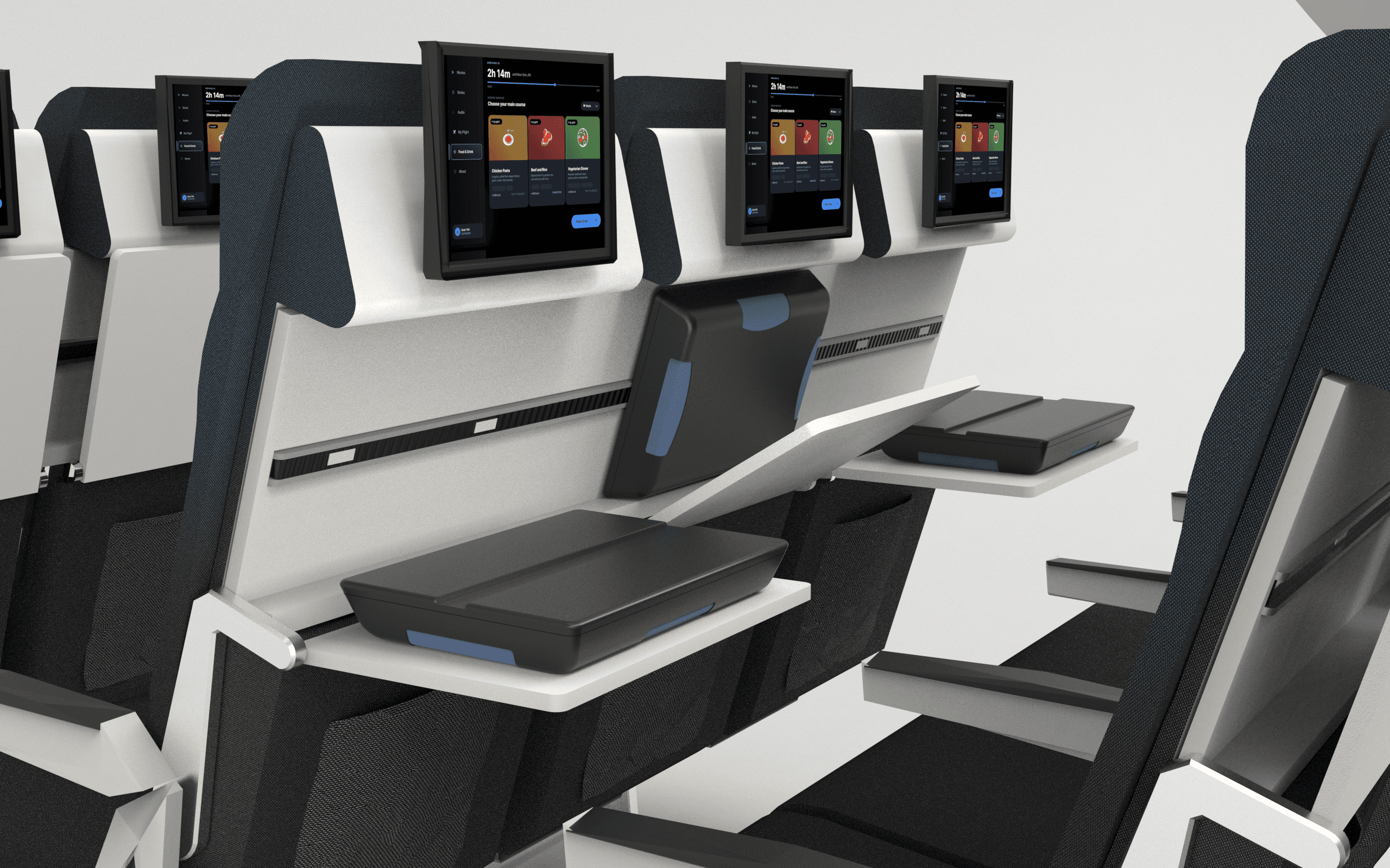
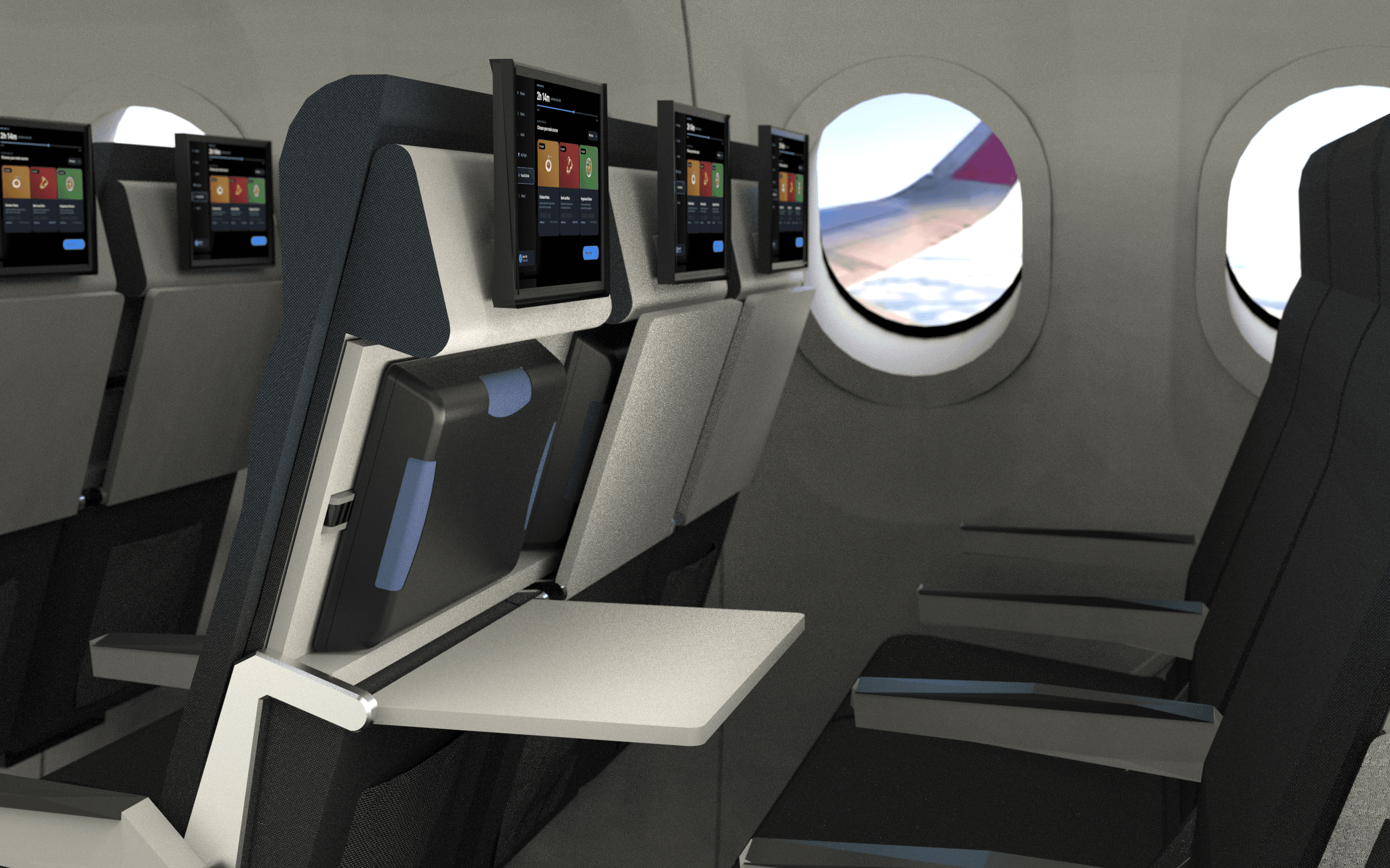
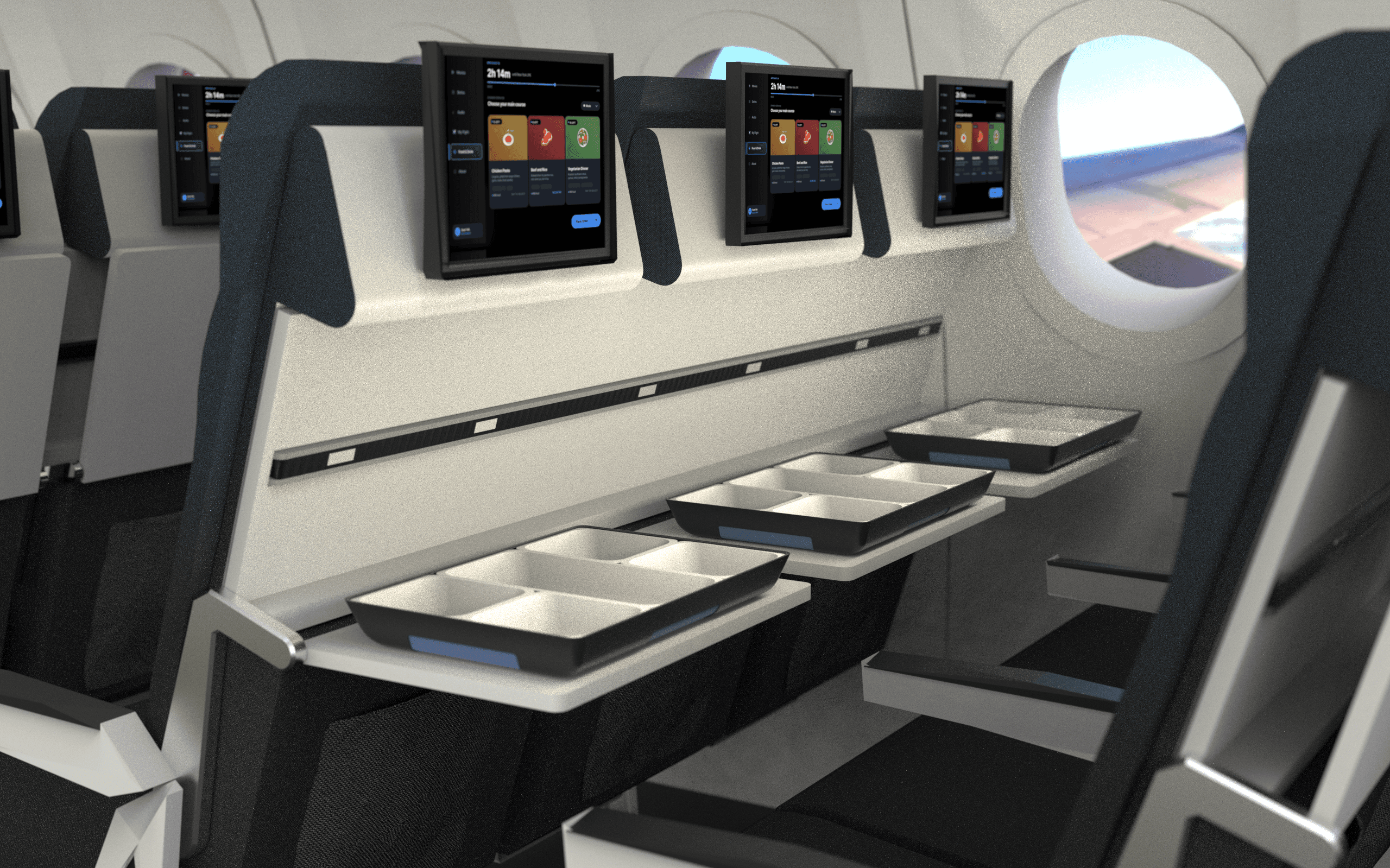
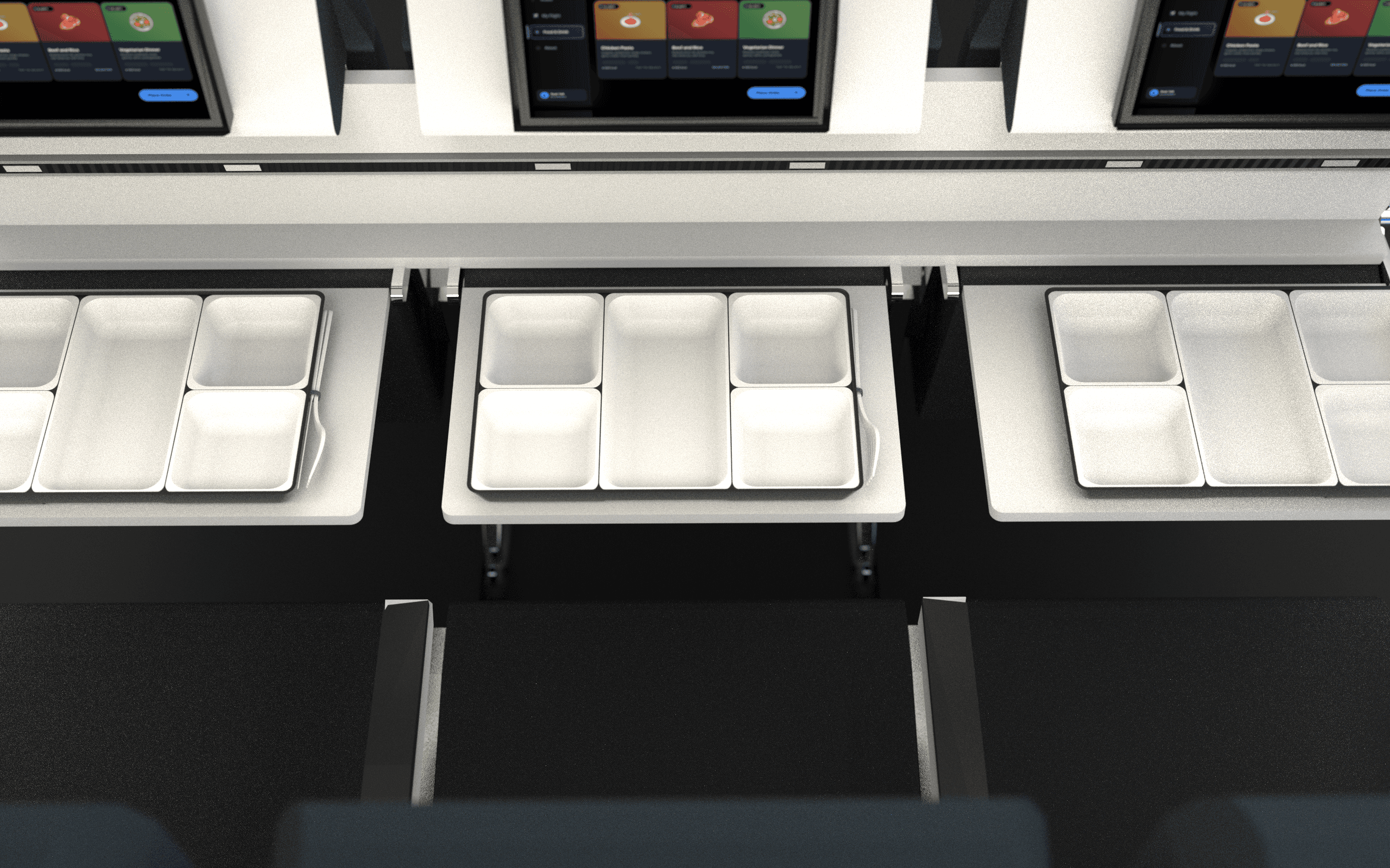
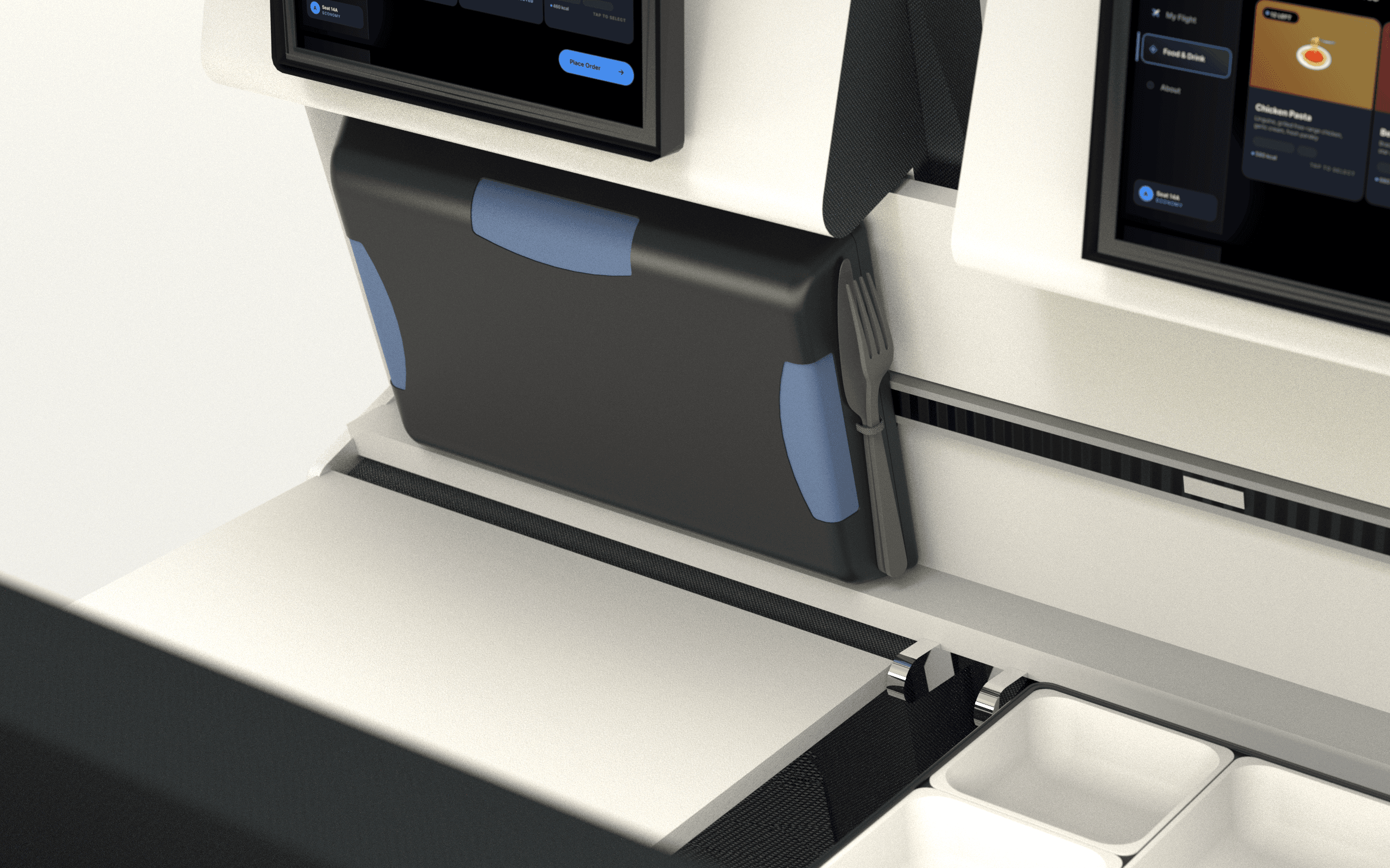
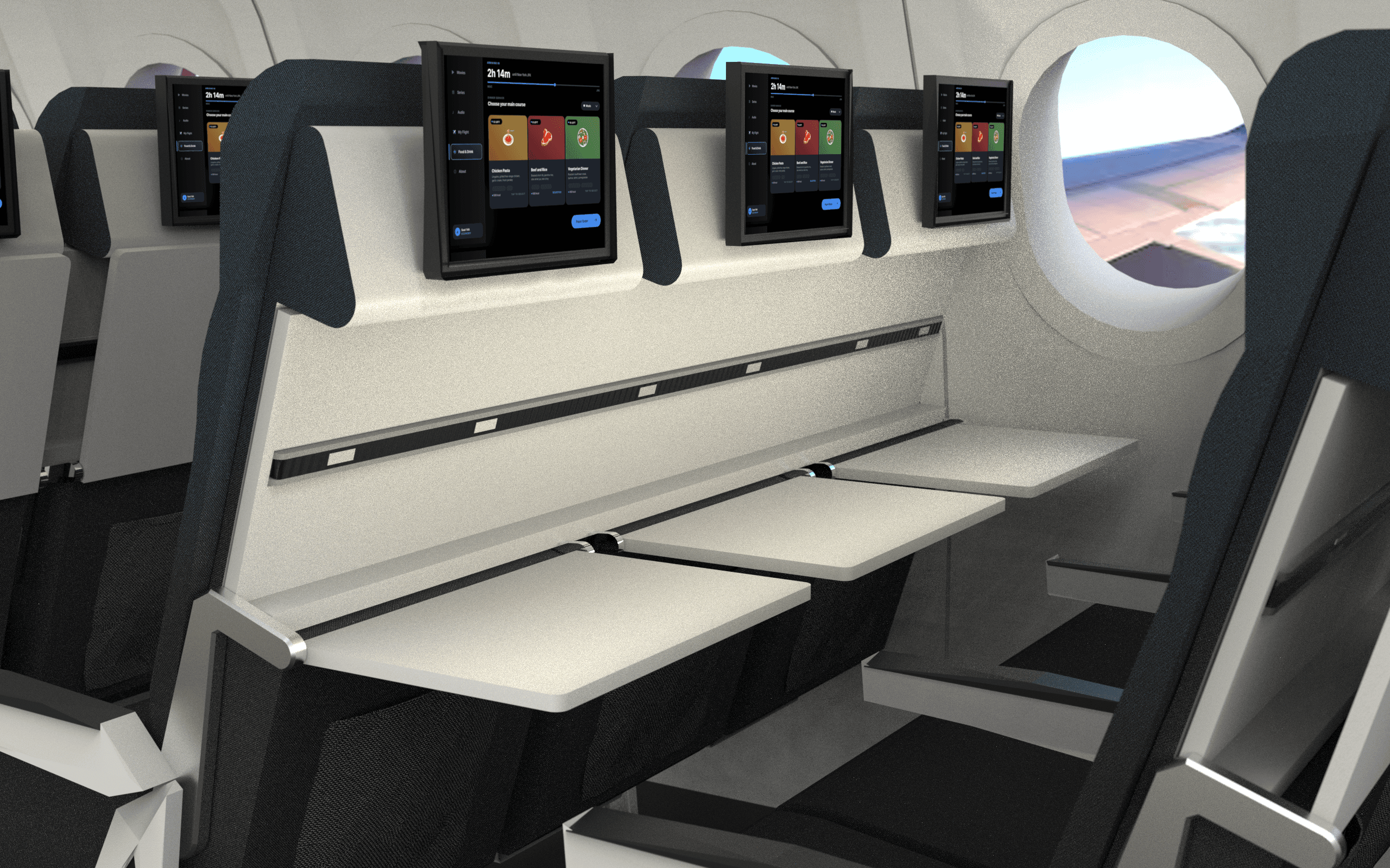
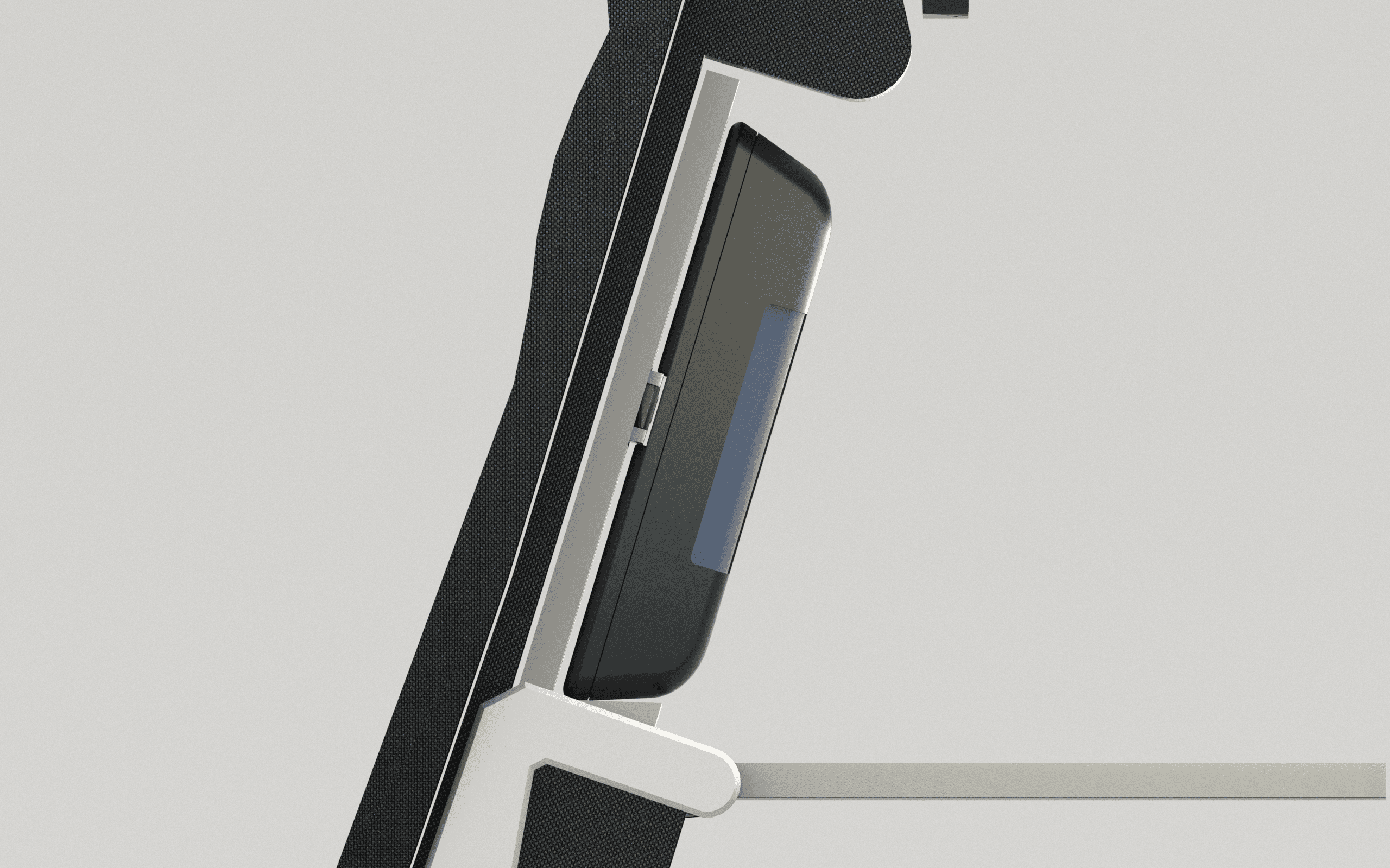
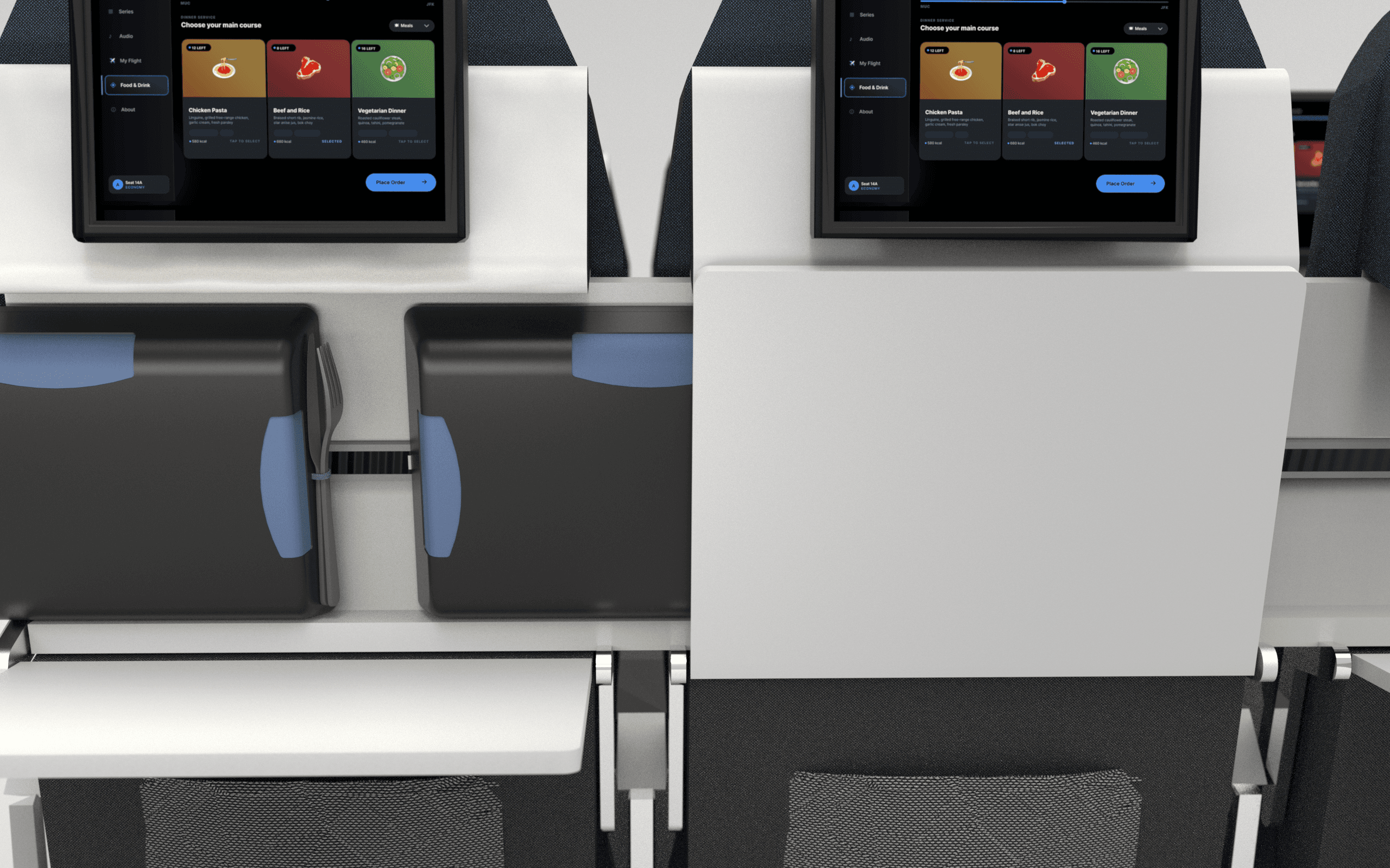
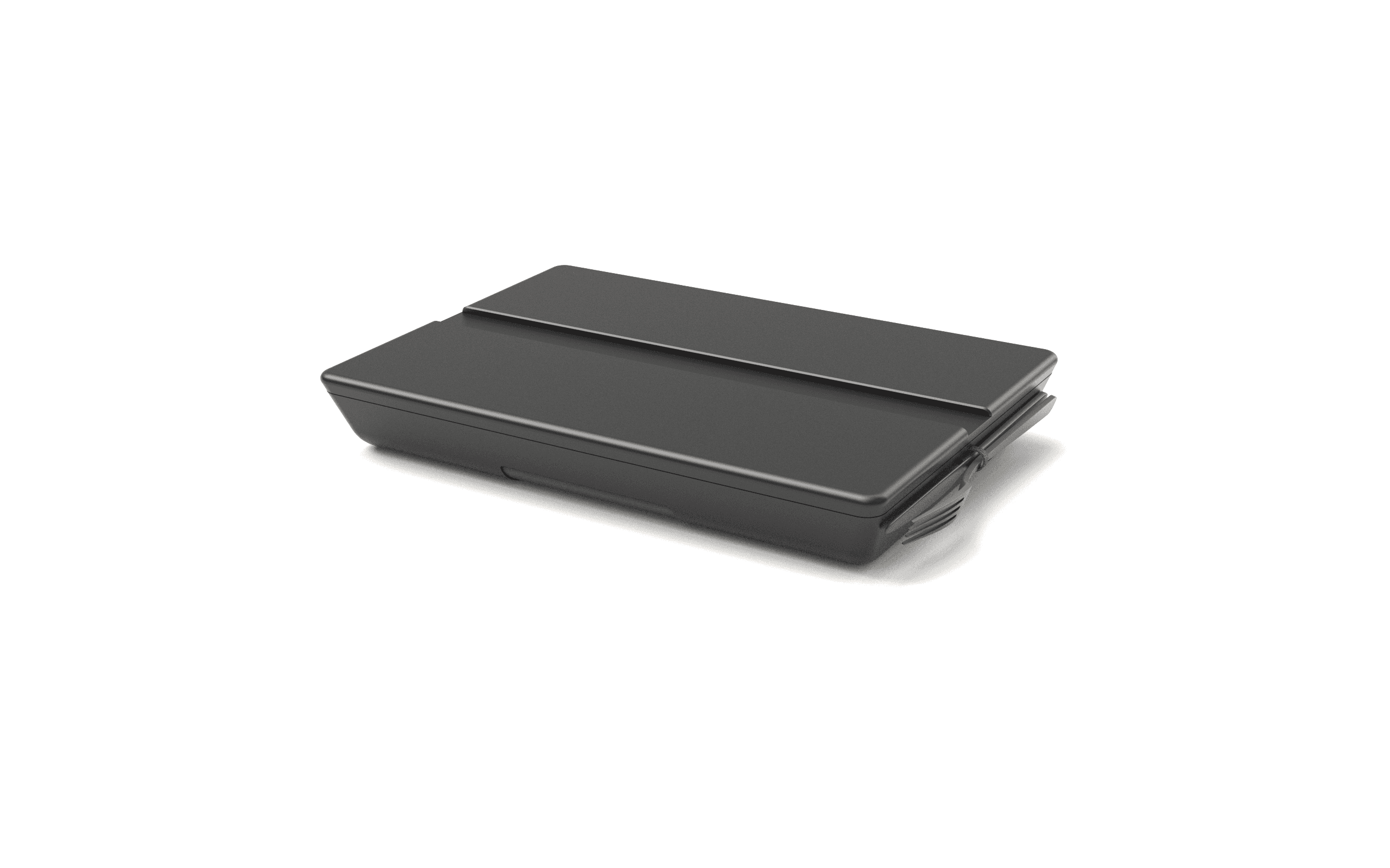
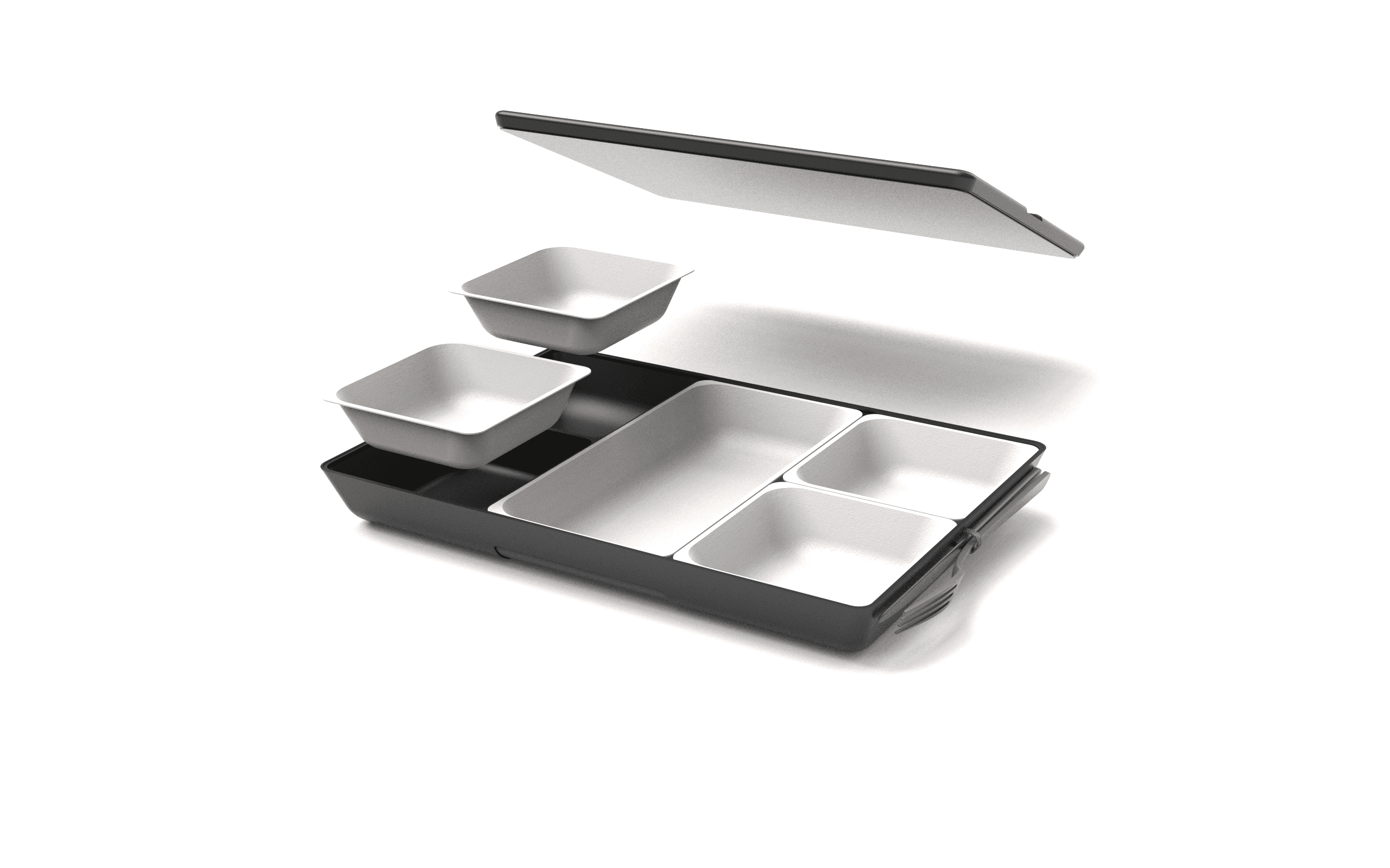
Storyboard
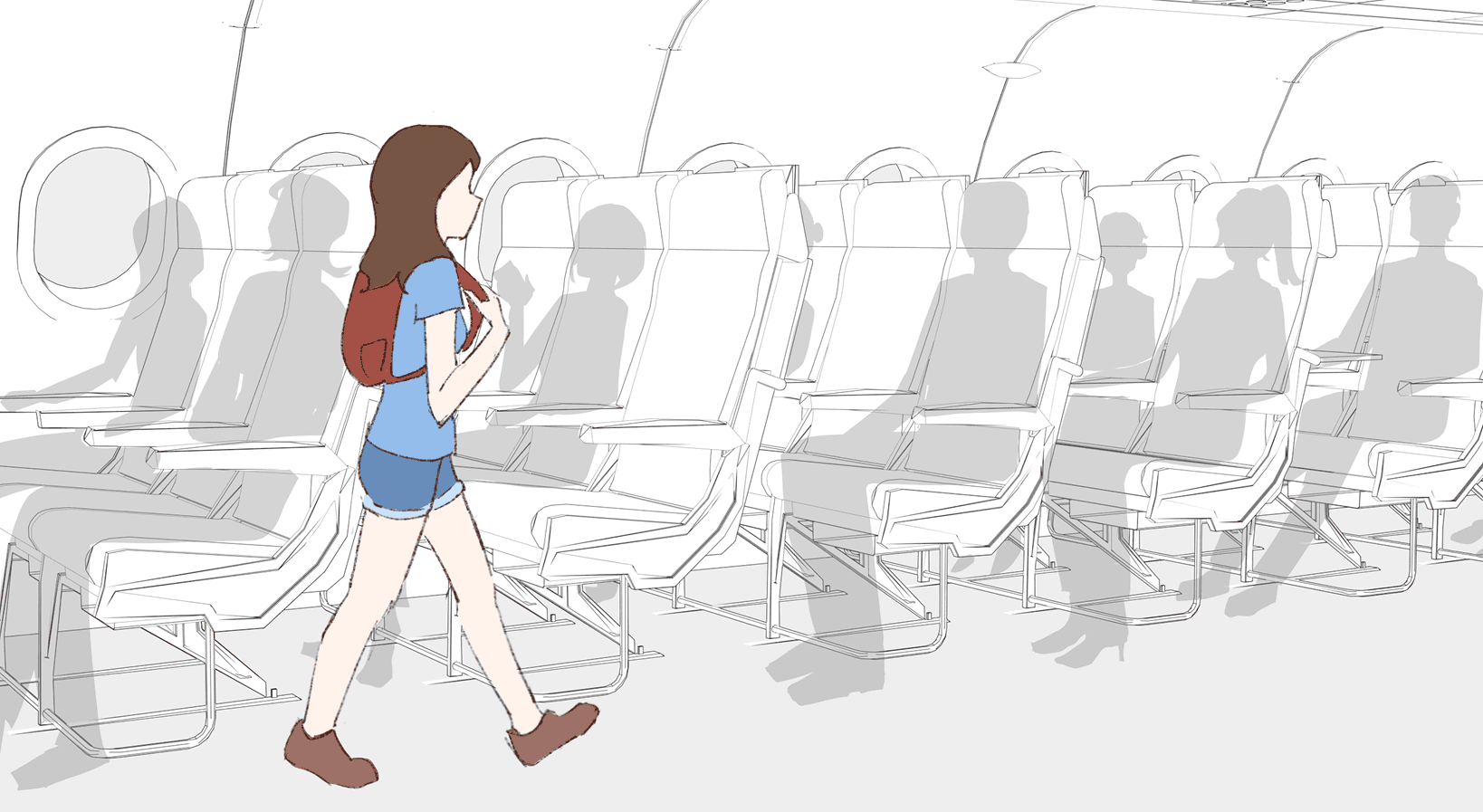
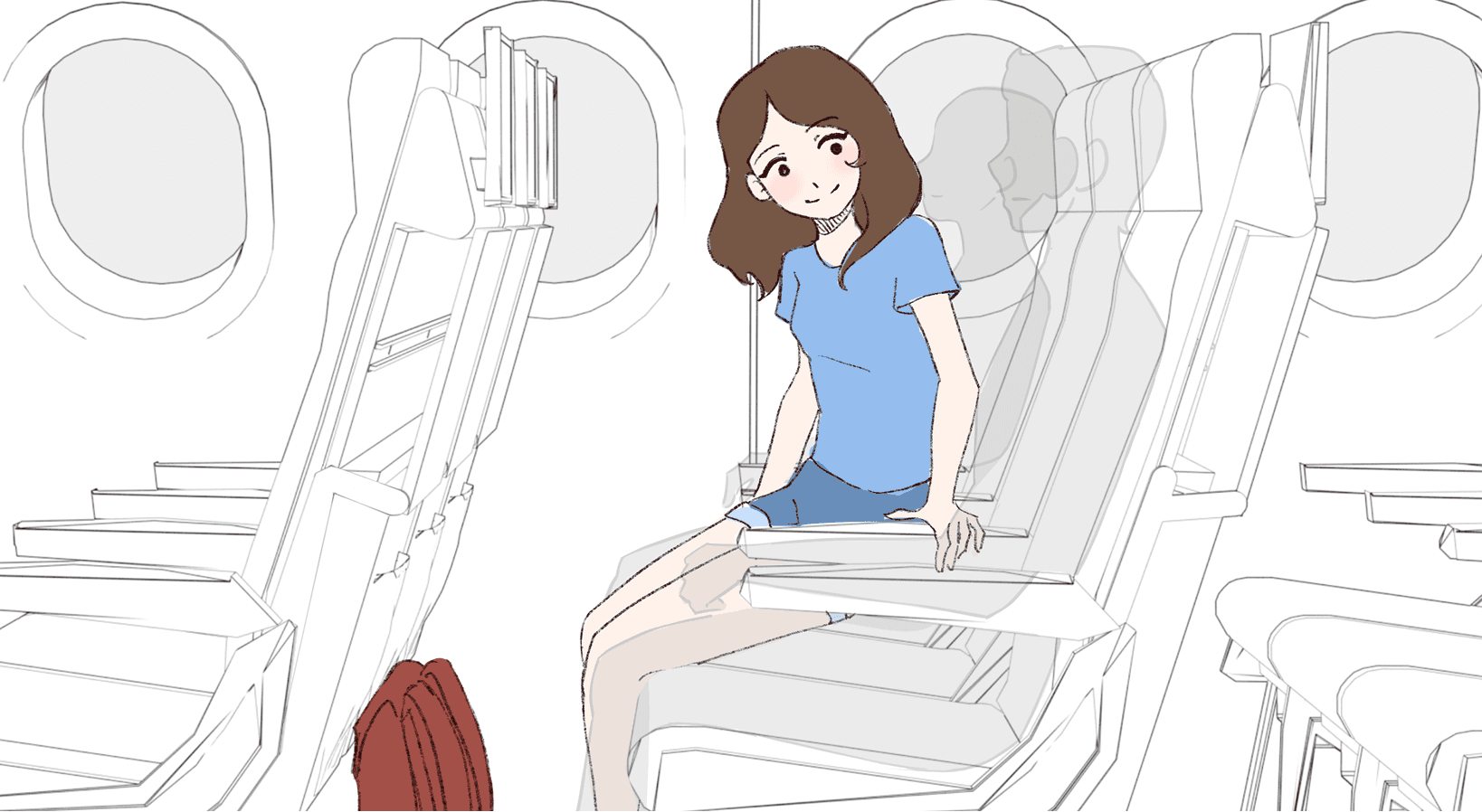
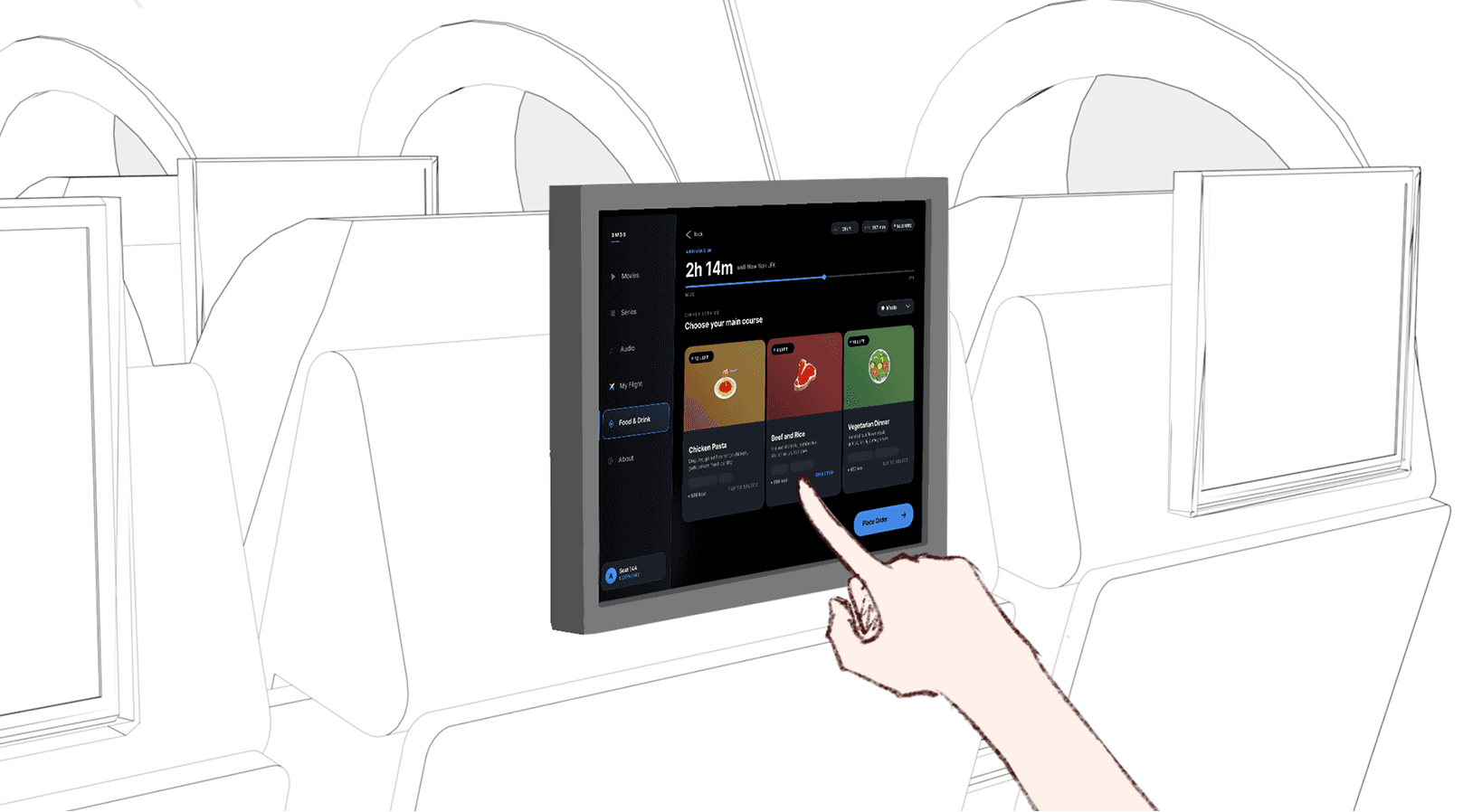
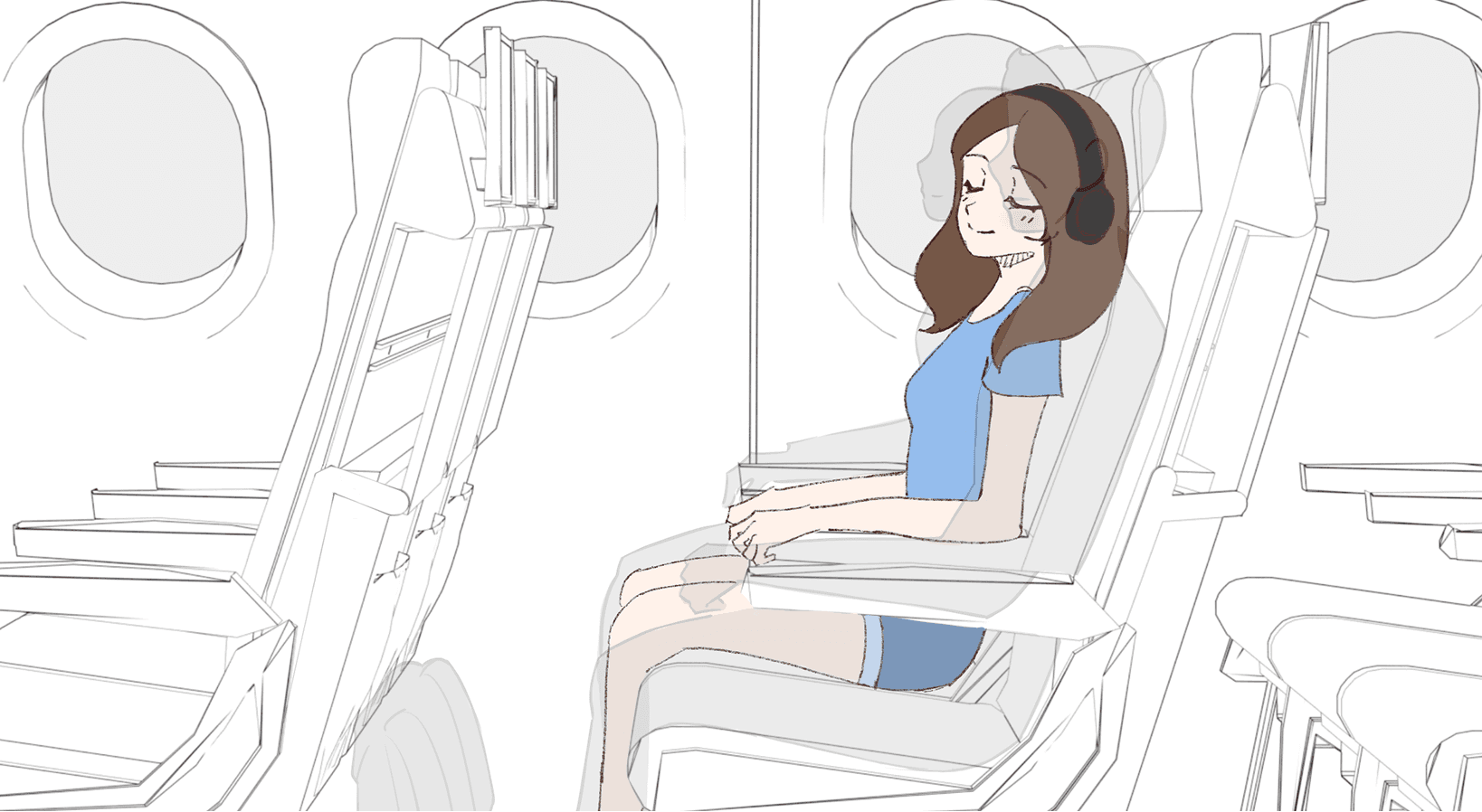
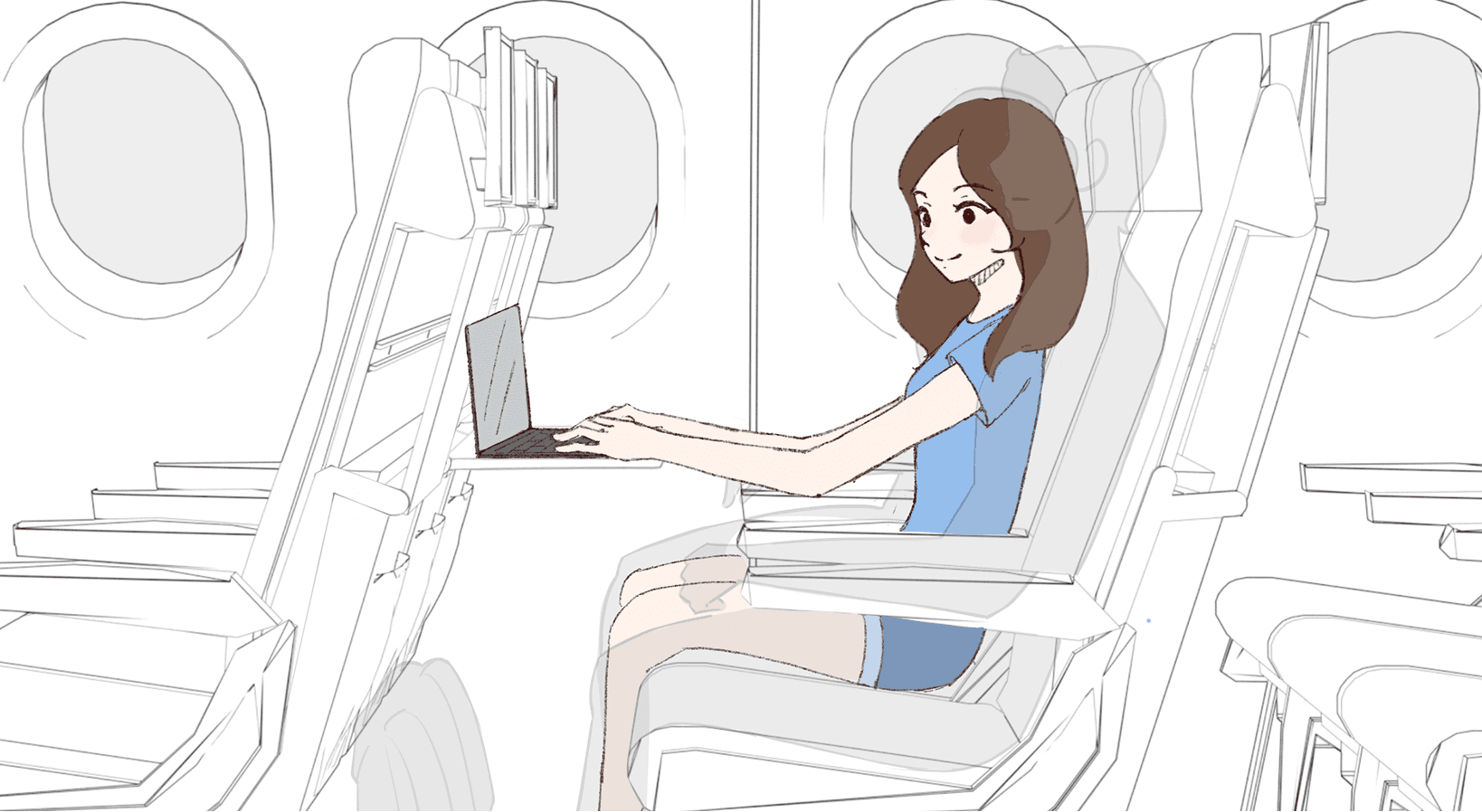
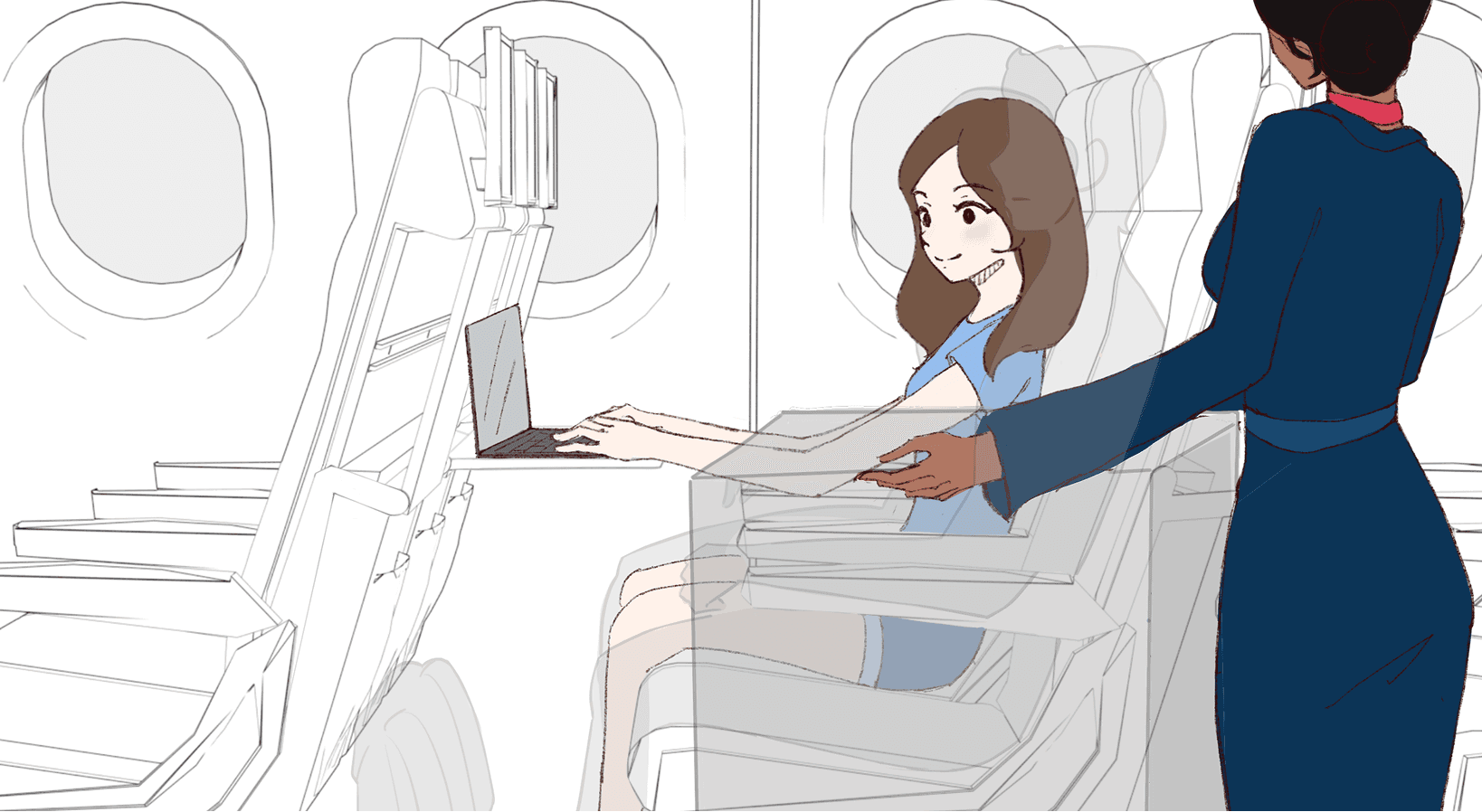
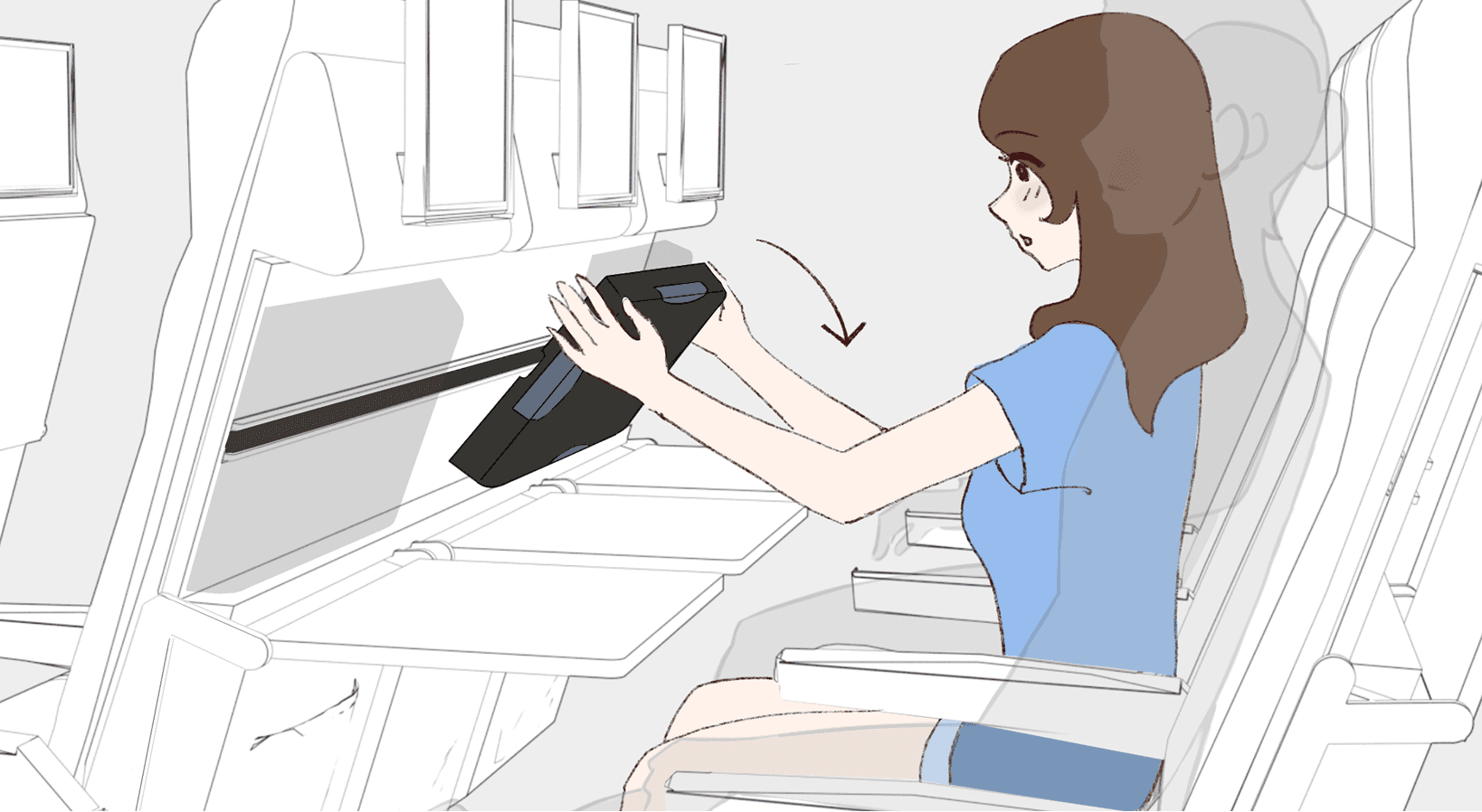
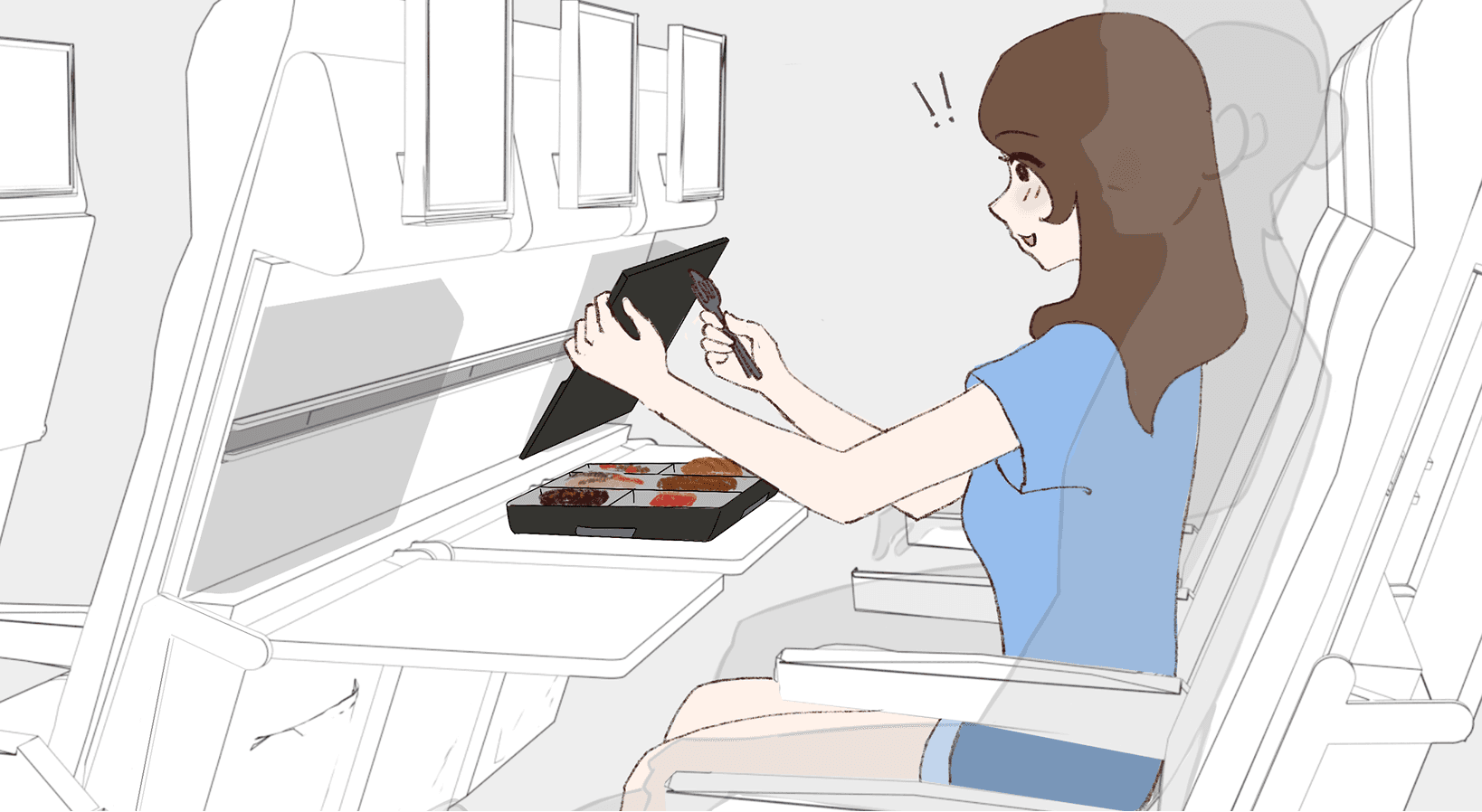
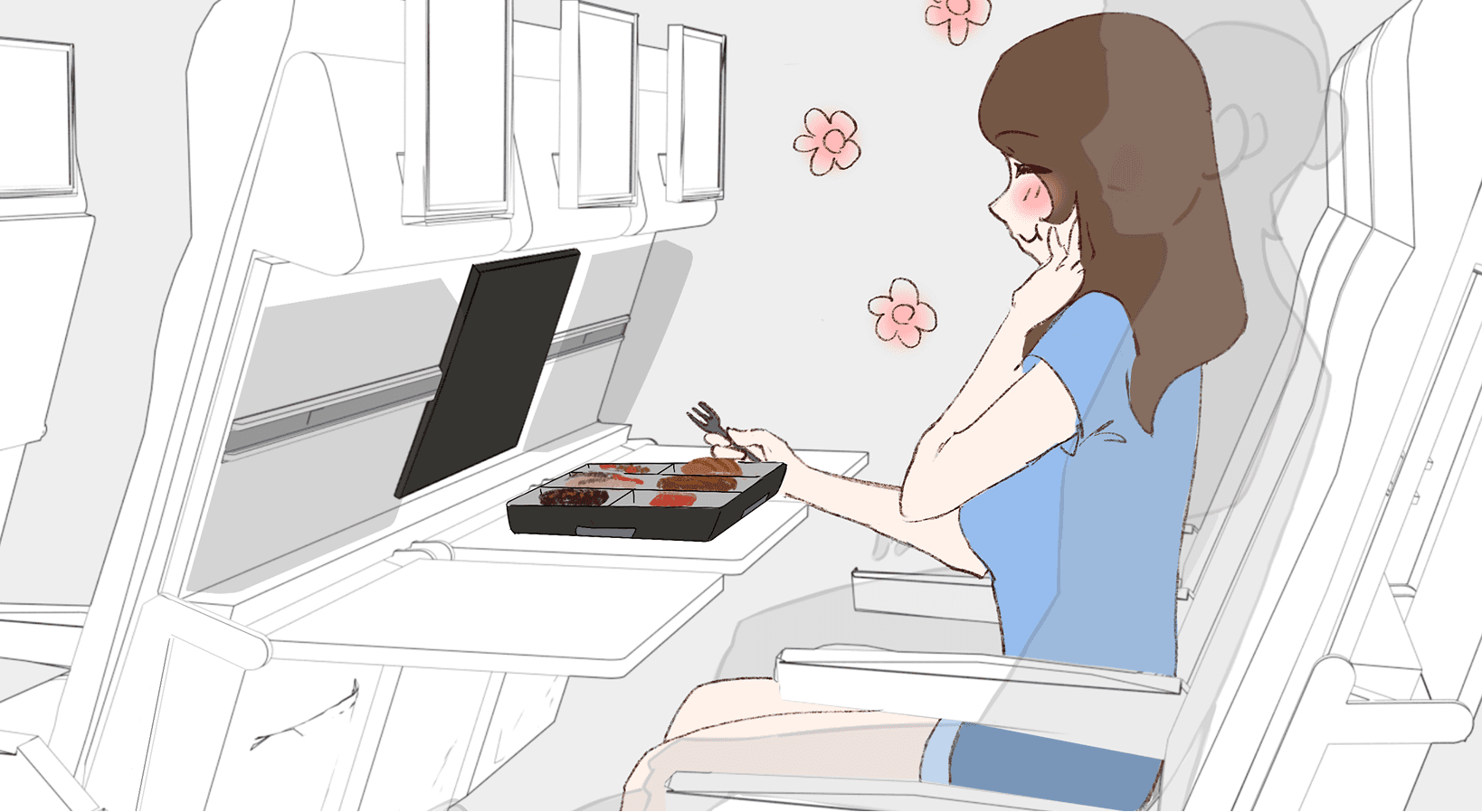
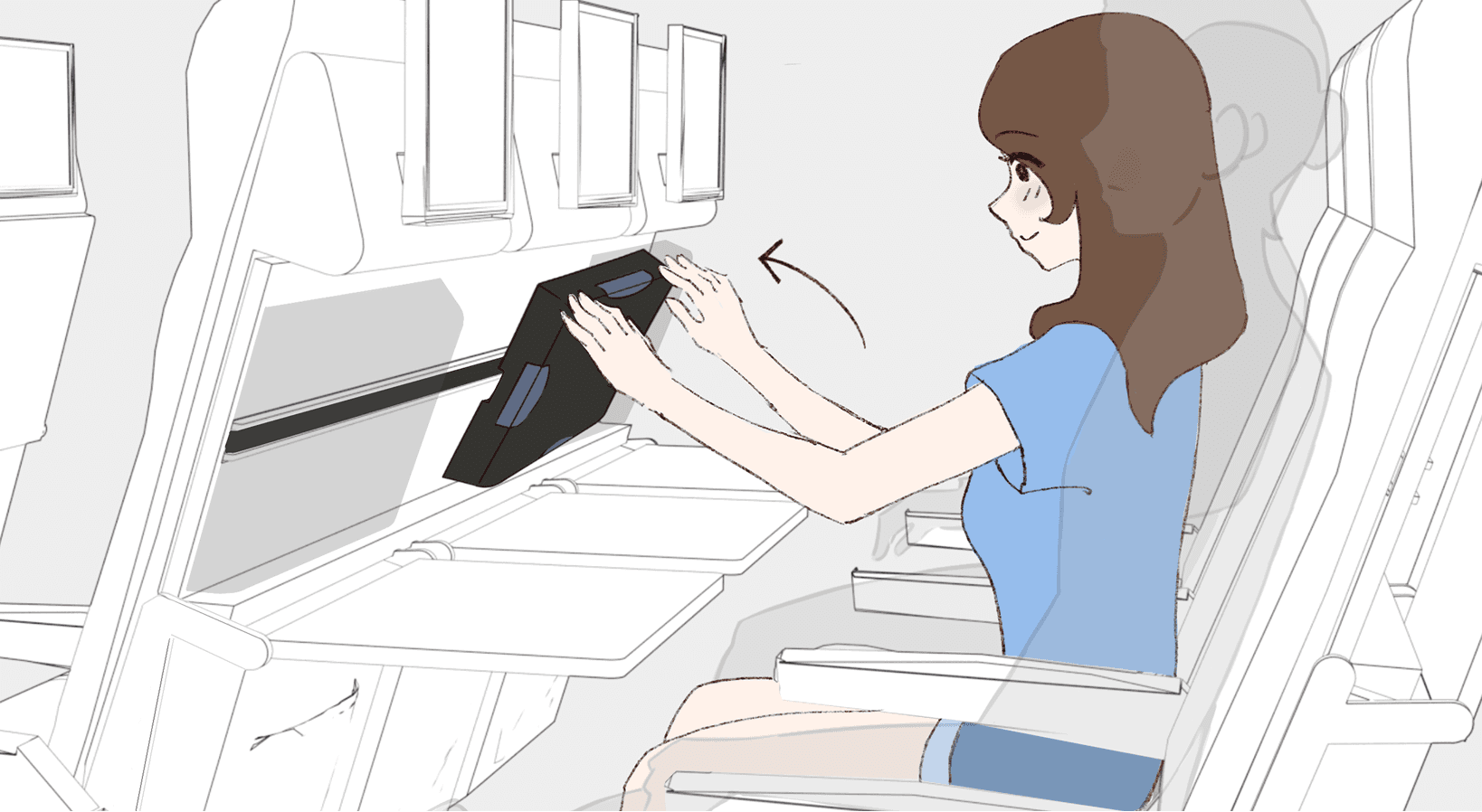
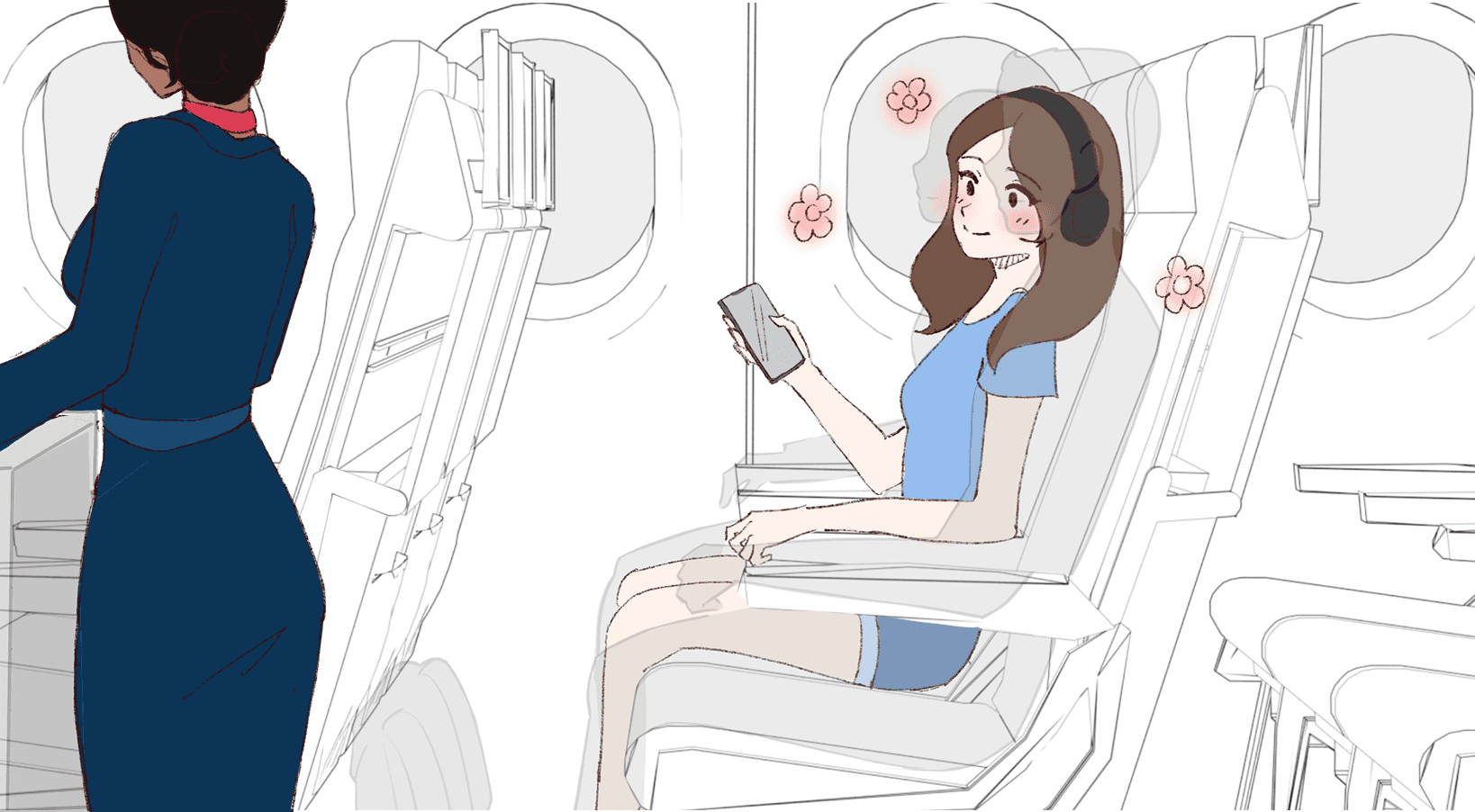
Meet our passenger, Sara. She’s heading back to her university on a 12-hour international flight after a much-needed spring break.

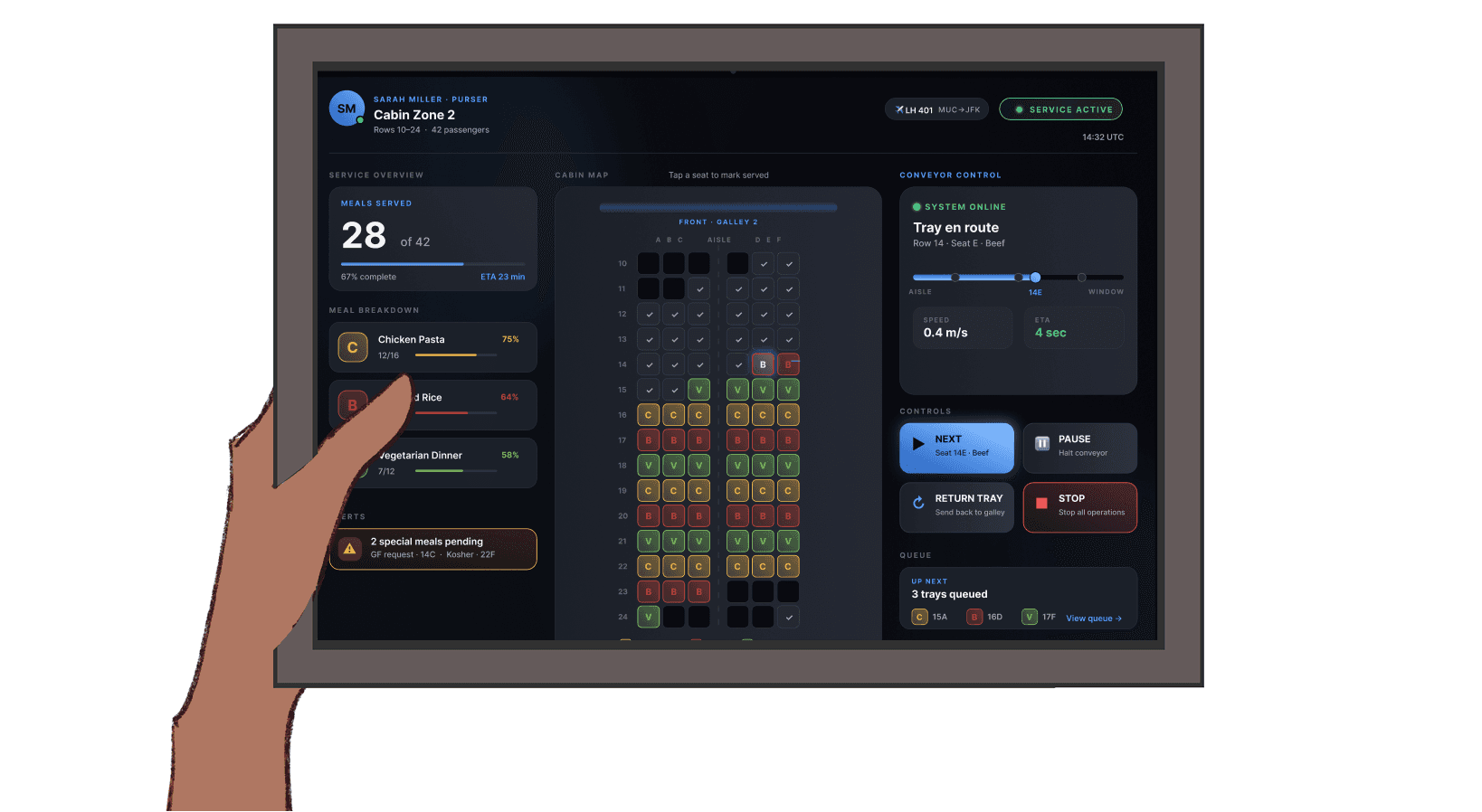
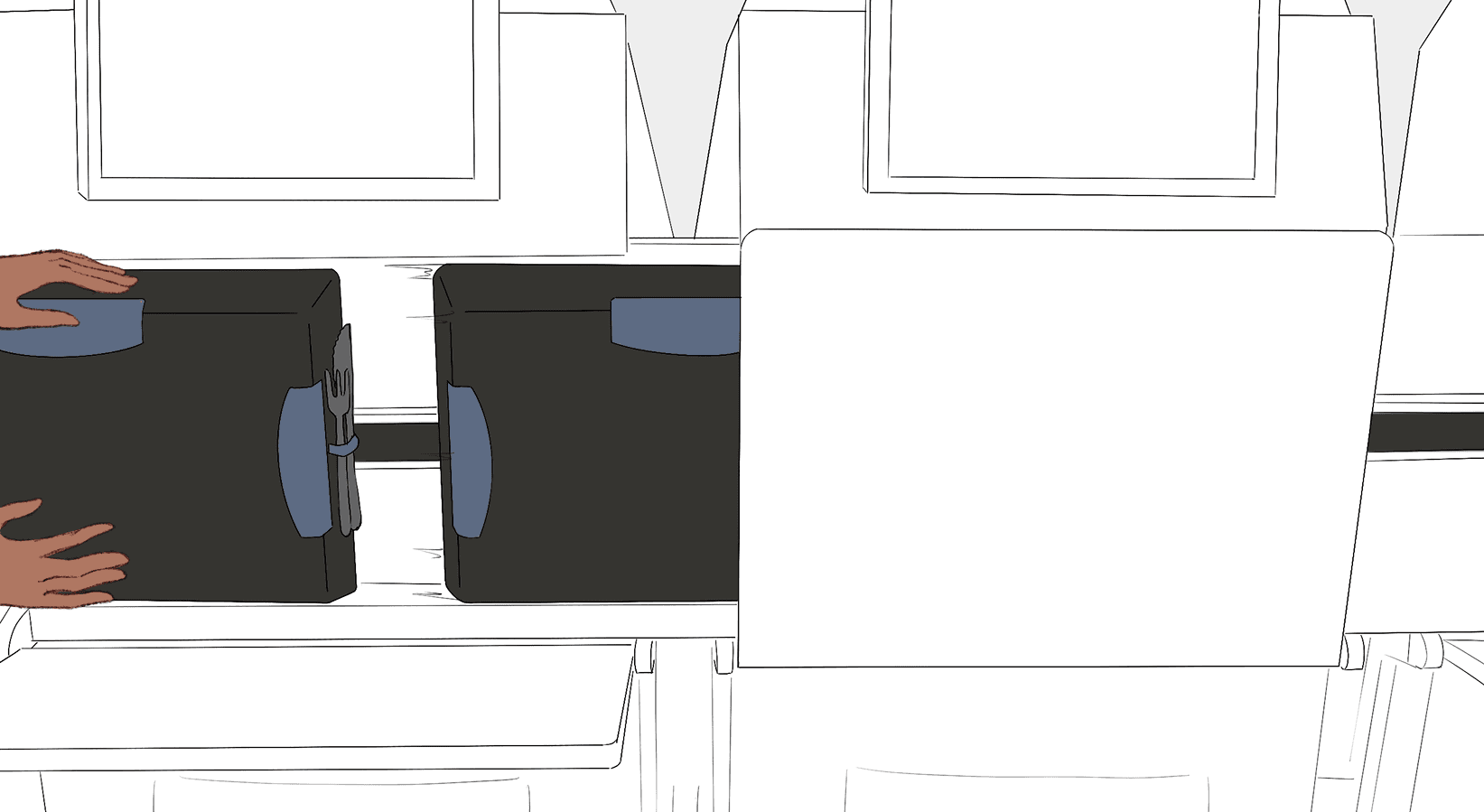
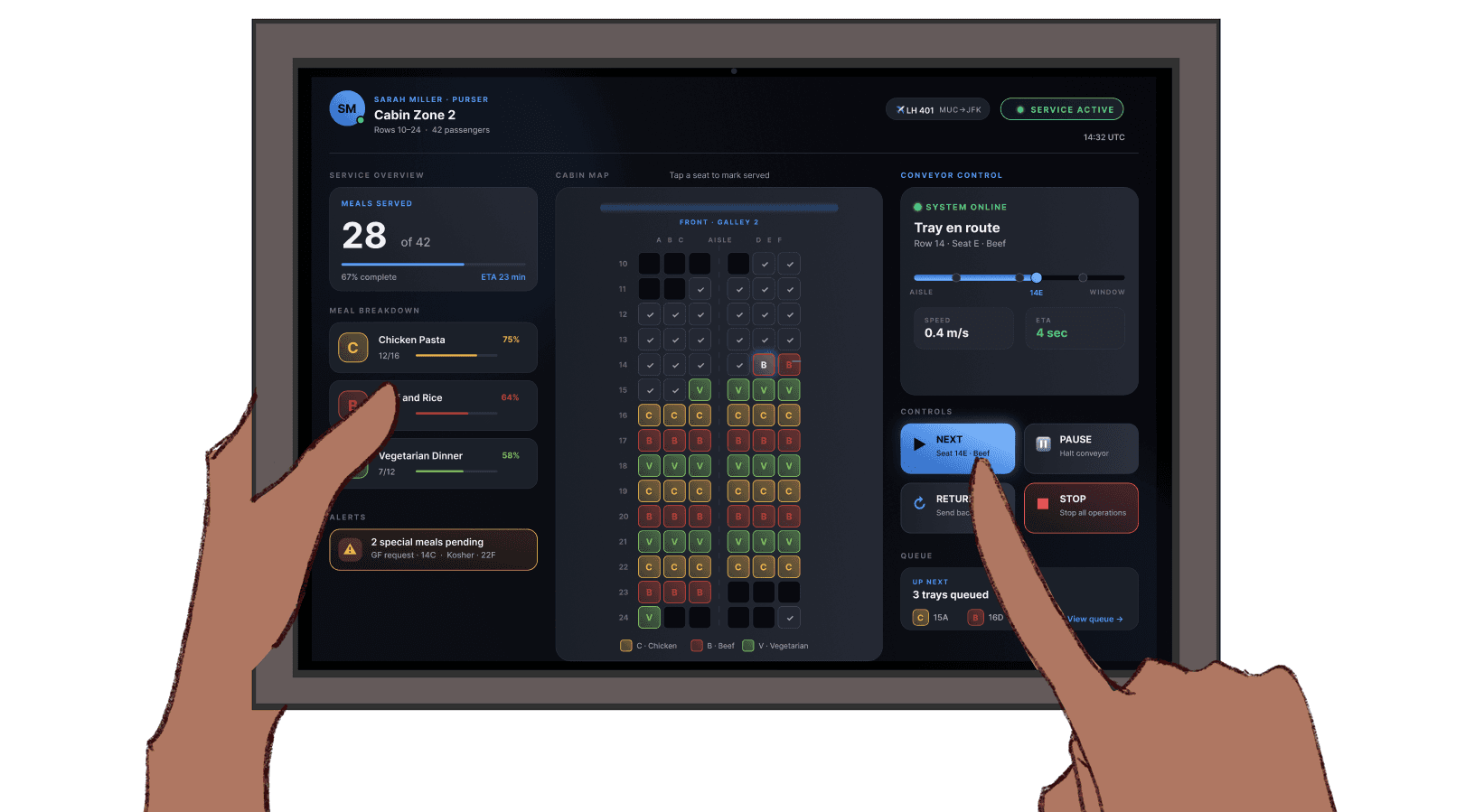
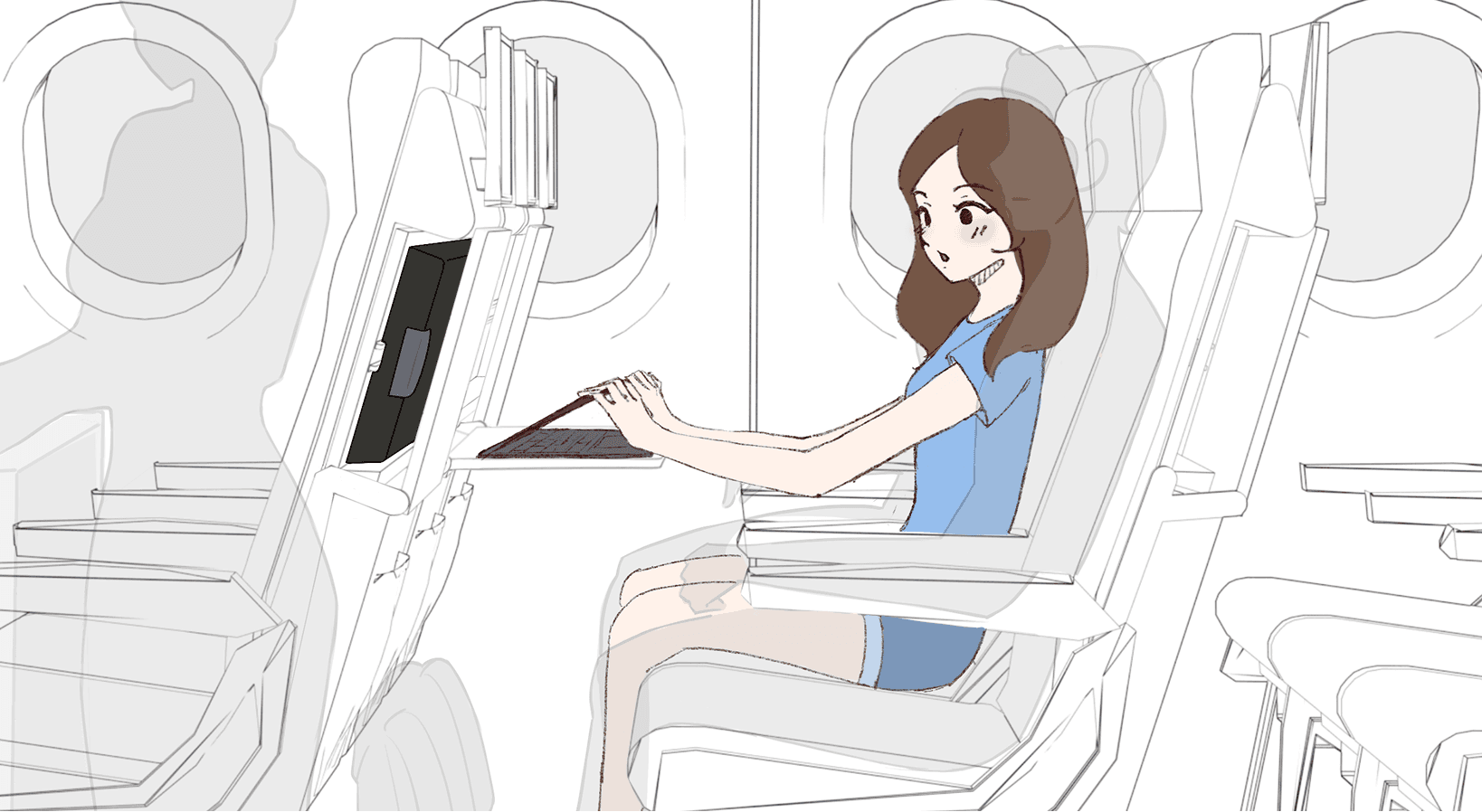
Commercial
Our 30 second commercial communicates an overview of ASAR and its key features.
Poster

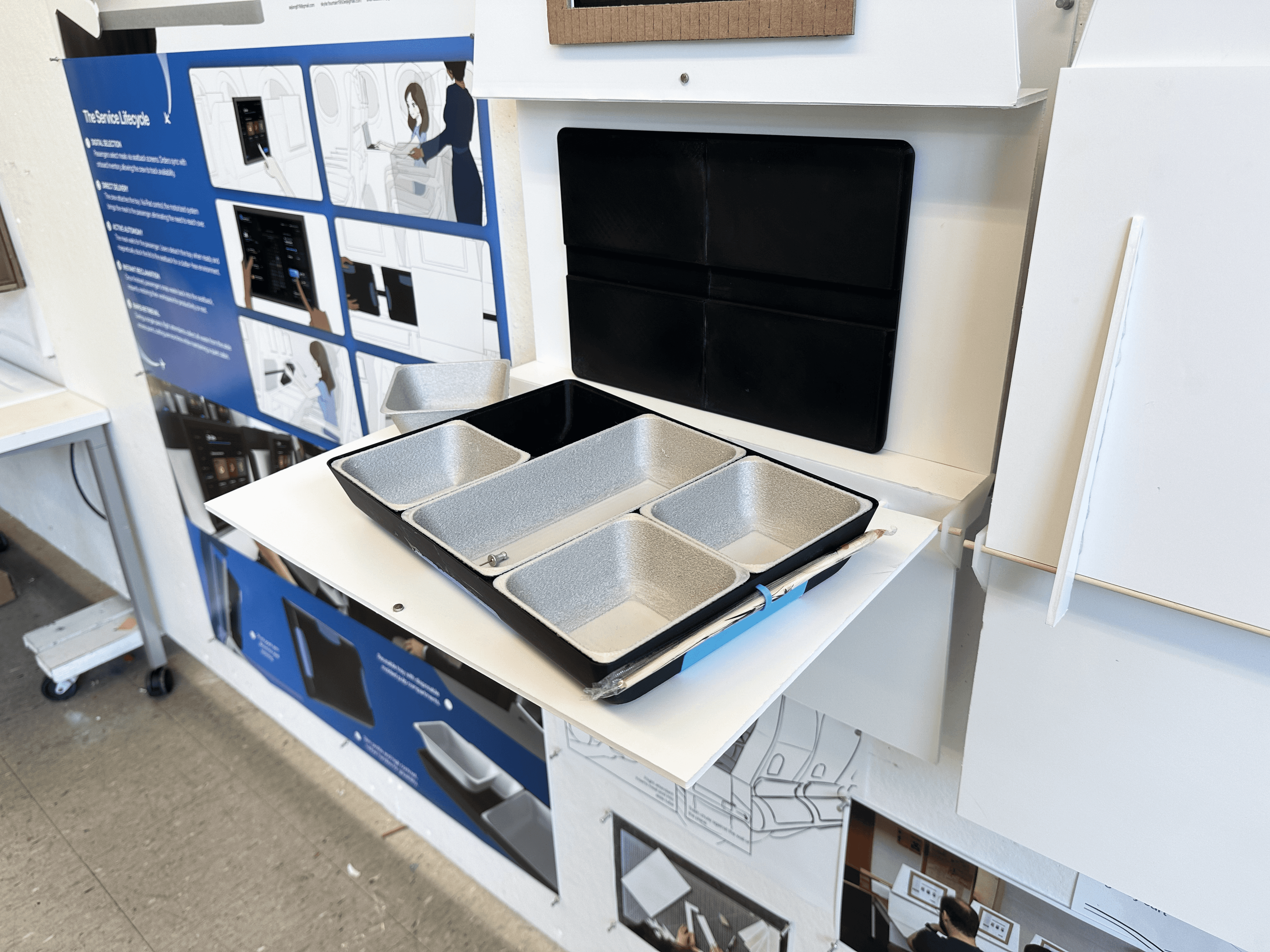
Exhibit Setup